
What Is a Molded Cable?
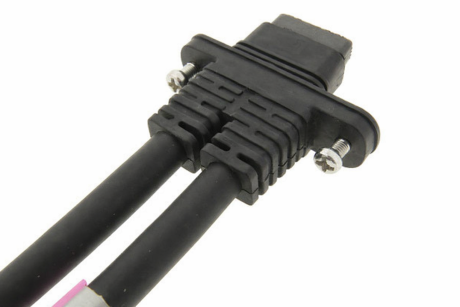
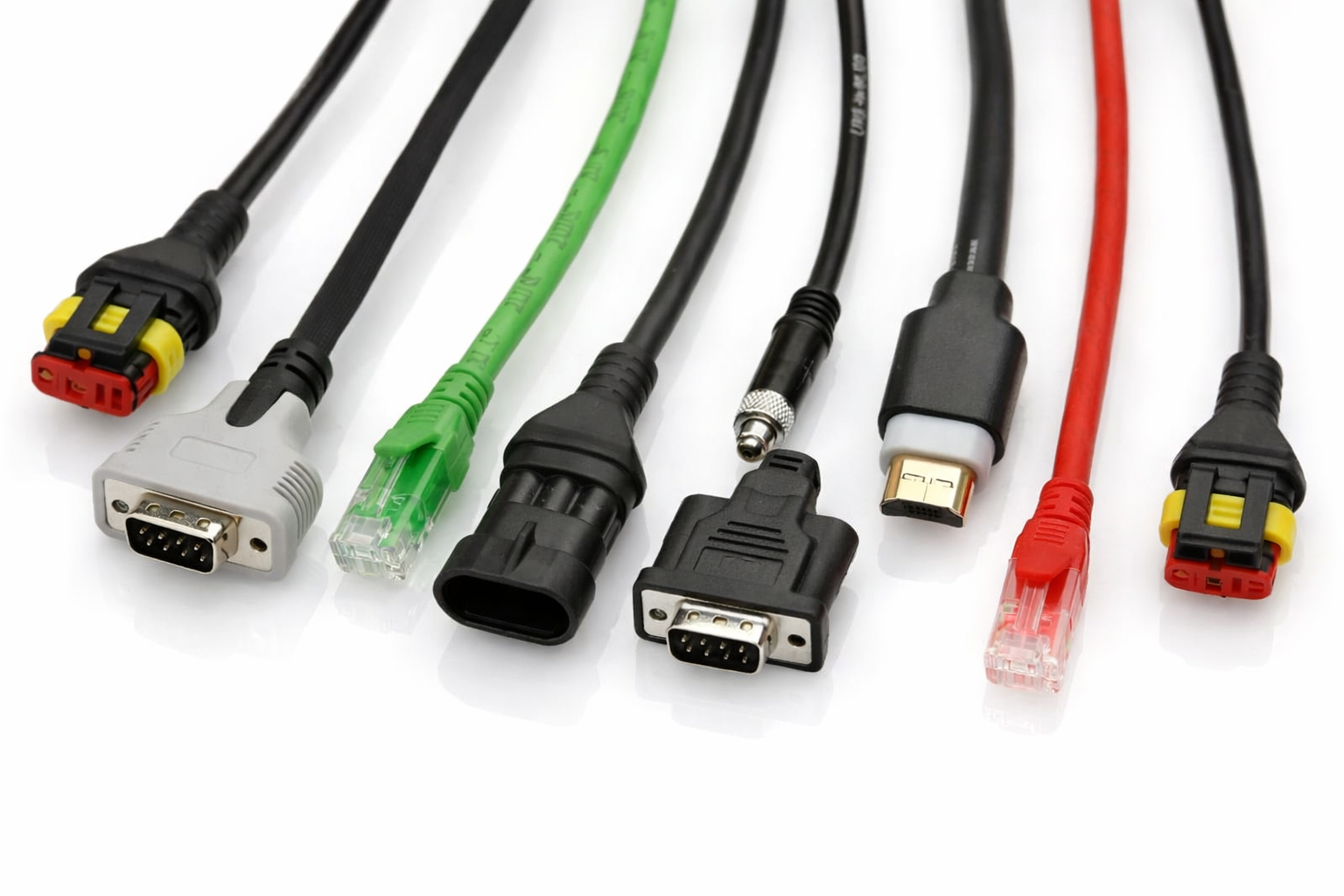
A molded cable is a type of cable assembly where the connector and cable are permanently bonded into a single integrated unit through an injection molding process. During manufacturing, molten material (typically thermoplastic or elastomer) is injected around the connector termination, forming a seamless protective layer.
This process transforms multiple components into one unified structure, significantly improving mechanical strength, sealing performance, and long-term reliability.
Key Characteristics of Molded Cables
Fully sealed connection between cable and connector
Strong resistance to vibration and mechanical stress
Waterproof and dustproof capabilities
Enhanced strain relief at cable exit points
Longer service life compared to non-molded cables
Why Molded Cables Matter
In traditional cable assemblies, connection points are often the weakest link. Exposure to moisture, dust, or repeated bending can lead to failure.
Molded cables eliminate these vulnerabilities by:
Encapsulating sensitive areas
Preventing contamination
Reducing mechanical fatigue
This is why molded cables are widely used in consumer electronics, industrial automation, medical devices, and automotive systems.
At Grace Harness, we design molded cables not just for connectivity—but for long-term performance in real-world environments.
Why Molded Cables Are Widely Used Today
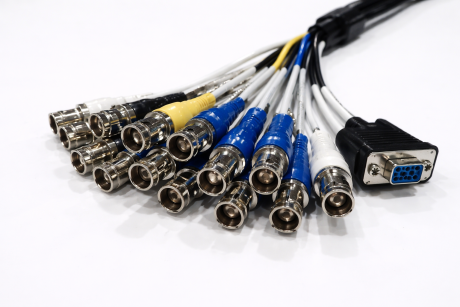
As modern devices become more compact and complex, the demand for high-reliability cable solutions continues to grow.
Common challenges faced by engineers and buyers include:
Cable failure due to repeated bending or strain
Environmental damage (water, dust, chemicals)
Weak connector terminations
Molded cables address all of these issues by offering:
Integrated protection
Enhanced durability
Customizable design options
This makes them an ideal solution for applications where failure is not an option.
How Molded Cables Are Manufactured
Injection Molding Process Overview
The production of molded cables relies on injection molding technology, a process widely used in precision manufacturing.
Key Steps
Material Preparation
Thermoplastic or elastomer materials are heated until they become molten resin. Colorants can be added at this stage.
Injection
The molten material is injected into a mold cavity under high pressure, surrounding the cable and connector.
Cooling & Solidification
The material cools and hardens, forming the final molded shape.
Demolding & Finishing
The molded cable is removed, and features like logos or markings are finalized.
Manufacturing Considerations
Mold precision directly impacts product quality
Material selection affects durability and flexibility
Cycle time influences production cost
At Grace Harness, advanced CNC-machined molds ensure high repeatability and consistent quality.
Types of Molded Cables
1. Standard Molded Cables
These are widely used, cost-effective solutions designed for general applications.
Typical uses:
USB cables
HDMI cables
RF cables
Advantages:
Affordable
Reliable for everyday use
Mass production ready
2. Molded Cables for Harsh Environments
Designed for extreme conditions, these cables offer enhanced durability.
Features:
Waterproof sealing
Chemical resistance
Temperature stability
Applications:
Industrial machinery
Outdoor equipment
Military systems
3. Custom Molded Cables
Custom molded cables are tailored to specific application requirements.
Why they are in demand:
Unique configurations
Specific performance requirements
Integration into complex systems
At Grace Harness, most projects fall into this category, where engineering customization drives product success.
4. High-Performance Molded Cables
These are engineered for demanding applications requiring maximum reliability.
Features include:
Advanced sealing (IP-rated designs)
Sterilization compatibility (medical use)
High flexibility and durability
These cables are typically used in high-end industrial, medical, and aerospace applications.
Key Customization Features of Molded Cables
1. Strain Relief Design
Strain relief prevents damage at the cable exit point—the most common failure area.
Benefits:
Extends cable lifespan
Improves flexibility
Reduces internal stress
2. Cable Breakouts
Used to protect multi-core cable junctions.
Advantages:
Improved sealing
Enhanced durability
Protection against moisture
3. Cable Glands & Seals
Essential for harsh environments.
Function:
Prevent ingress of dust, water, and contaminants
Maintain system integrity
4. Cable Stops
Cable stops redirect mechanical force away from sensitive connections.
Result:
Prevents connector damage
Improves reliability
5. Conductor Specifications
Available from 34AWG to 12AWG, including mixed configurations.
Impact:
Determines current capacity
Affects flexibility and performance
6. Stranding Options
Fine stranding → high flexibility
Coarse stranding → higher strength
7. Conductor Identification
Color coding
Custom markings
This improves installation efficiency and reduces wiring errors.
8. Insulation Materials
Common materials include:
TPE (flexible, cost-effective)
PVC (durable, widely used)
Silicone (high temperature resistance)
PTFE (chemical resistance)
9. Fillers, Wraps & Shielding
EMI/RFI shielding
Structural reinforcement
Abrasion protection
These features are critical for signal integrity and durability.
Functions and Benefits of Molded Cables
1. Protection
Molded cables protect internal connections from:
Moisture
Dust
Mechanical damage
This ensures long-term reliability of soldered joints.
2. Resistance & Reliability
Molded cables are designed to withstand:
Harsh environments
Repeated bending
Mechanical stress
3. Flexibility
Enhanced flexibility at critical points reduces failure rates.
4. Customization Advantage
Custom designs allow cables to perfectly match application requirements, improving overall system performance.
Applications of Molded Cables
Consumer Electronics
Phone chargers
Headphones
USB devices
Industrial Equipment
Automation systems
Control panels
Medical Devices
Diagnostic equipment
Sterilization-compatible cables
Automotive Industry
Sensor systems
Power distribution
Outdoor & Harsh Environments
Security systems
Marine equipment
Materials Used in Molded Cable Manufacturing
Molding Materials
Thermoplastics
Silicone
Elastomers
Mold Materials
Hardened Steel
High durability
Ideal for mass production
Aluminum
Lower cost
Suitable for small batches
3D Printed Molds
Rapid prototyping
Cost-effective testing
Material Selection Considerations
Production volume
Cost constraints
Environmental exposure
Mechanical requirements
Design Considerations for Molded Cables
When designing molded cables, consider:
Application environment
Mechanical stress points
Flexibility requirements
Connector compatibility
Waterproofing needs
At Grace Harness, we provide DFM (Design for Manufacturability) support to optimize designs before production.
Common Mistakes When Choosing Molded Cables
Ignoring environmental conditions
Underestimating strain and bending
Selecting incorrect materials
Lack of customization
Poor communication with suppliers
Avoiding these mistakes can significantly improve product performance and reduce costs.
Why Choose Grace Harness for Molded Cable Solutions
1. Engineering Expertise
Custom cable design
Application-based optimization
2. Advanced Manufacturing
Precision molds
Consistent production quality
3. Strict Quality Control
Full inspection processes
Reliable performance testing
4. Flexible Production
Prototype to mass production
Fast turnaround
5. Cost Optimization
We help customers:
Avoid over-engineering
Reduce unnecessary costs
Improve manufacturability
Conclusion: Molded Cables Are the Future of Reliable Connectivity
Molded cables offer a powerful combination of:
Protection
Durability
Customization
As industries demand higher performance and reliability, molded cables are becoming the preferred solution across multiple sectors.
Choosing the right design—and the right manufacturing partner—is critical to your project’s success.
Get a Quote for Your Custom Molded Cable
At Grace Harness, we don’t just manufacture cables—we help you build reliable, cost-effective solutions.
What You Get:
Free engineering consultation
Custom design support
Fast quotation within 24 hours
High-quality production
FAQs
1. What is the difference between molded and overmolded cables?
A molded cable typically refers to a single molding process around a connector, while an overmolded cable involves an additional layer molded over an existing assembly for extra protection or functionality.
2. How long do molded cables typically last?
The lifespan depends on materials and usage conditions, but molded cables generally last significantly longer than standard cables due to enhanced protection and strain relief.
3. Are molded cables waterproof?
Many molded cables can be designed to meet waterproof standards (such as IP67 or higher), depending on materials and sealing design.
4. Can molded cables be repaired if damaged?
In most cases, molded cables are not repairable due to their integrated structure. Replacement is usually recommended.
5. What industries benefit most from molded cables?
Industries such as automotive, medical, industrial automation, and consumer electronics benefit the most due to their need for reliability and durability.
6. How do I choose the right material for a molded cable?
Material selection depends on factors like temperature, flexibility, chemical exposure, and mechanical stress. Consulting with an experienced manufacturer is recommended.
7. Are custom molded cables worth the higher cost?
Yes, for applications requiring reliability and performance, custom molded cables often reduce long-term costs by minimizing failures and maintenance.