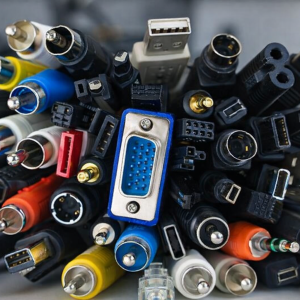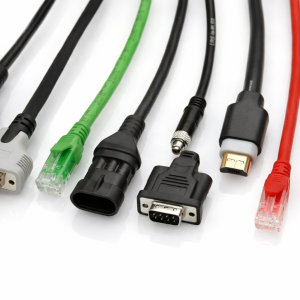

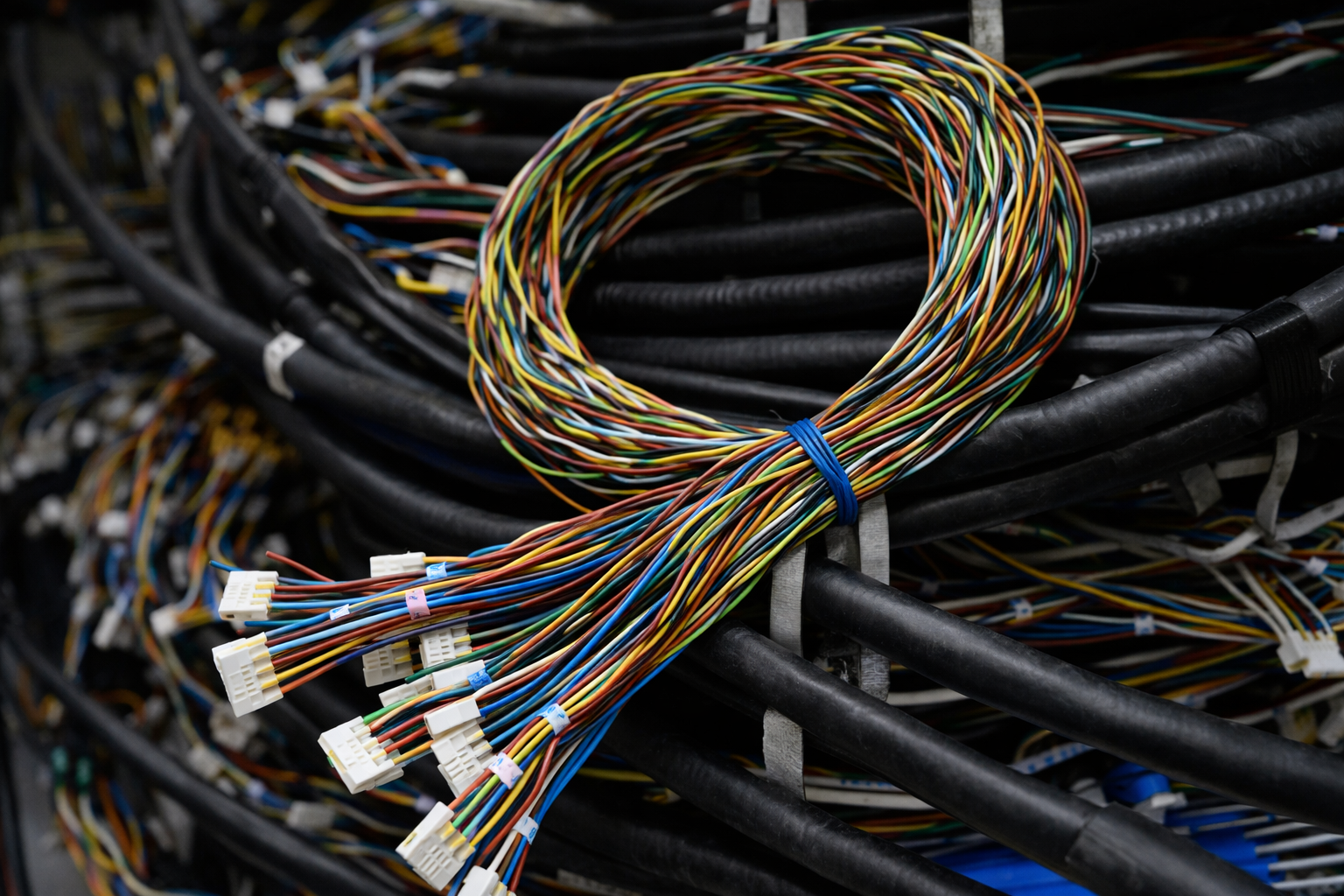
Electrical wire harness design is a critical engineering discipline that directly impacts the performance, reliability, and safety of any electrical system. Whether in automotive vehicles, industrial machinery, or electronic devices, a well-designed wire harness ensures efficient power distribution and stable signal transmission.
Poor design, on the other hand, can lead to:
Electrical failures
Signal interference
Increased maintenance costs
System downtime
This comprehensive guide will walk you through:
Wire harness fundamentals
Step-by-step design process
Common mistakes to avoid
Expert-level design recommendations
If you are an OEM, engineer, or procurement specialist, this article will help you optimize your design and choose the right manufacturing partner.
What is a Wire Harness?
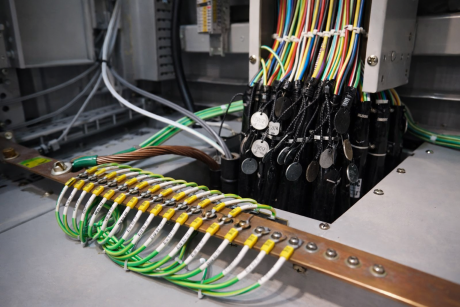
A wire harness is an organized assembly of wires, cables, connectors, and protective components designed to transmit electrical power and signals efficiently.
Key Components
Wires & Cables – Conduct electricity or signals
Terminals & Connectors – Enable secure connections
Protective Materials – Sleeving, tape, conduit, heat shrink
Fastening Elements – Cable ties, clamps
Core Functions
Simplifies complex wiring systems
Protects against mechanical and environmental damage
Improves installation efficiency
Enhances system reliability
Wire Harness vs Cable Assembly
Wire Harness → Organized bundle, less protection, flexible routing
Cable Assembly → Heavily protected, used in harsh environments
Where Wire Harness Assemblies Are Used
Wire harnesses are essential across multiple industries:
Automotive
Engine systems
Lighting systems
Sensors and control units
Aerospace & Defense
Avionics systems
Navigation equipment
Industrial Equipment
Automation systems
Robotics
Consumer Electronics
Home appliances
Computing devices
Medical Devices
Diagnostic equipment
Monitoring systems
Why Wire Harness Design Matters
A properly engineered wire harness delivers measurable benefits:
Reliability → Prevents short circuits and failures
Efficiency → Simplifies assembly and reduces installation time
Cost Reduction → Minimizes rework and maintenance
Safety Compliance → Meets electrical and industry standards
In high-performance systems, design quality directly determines product lifespan.
Core Design Considerations
Geometrical Design (Physical Layout)
Available installation space
Routing paths and constraints
Bend radius and flexibility
Mounting points and fixation
Electrical Design
Voltage and current ratings
Signal type (power vs data)
EMI/EMC shielding requirements
Insulation specifications
Environmental Conditions
Temperature extremes
Moisture and corrosion exposure
Vibration and mechanical stress
Chemical exposure
Wire Harness Design Options
Manual Design
Suitable for simple projects
Requires strong engineering expertise
CAD-Based Design
High precision and scalability
Enables simulation and optimization
Custom Manufacturer Design
Best for complex or large-scale projects
Combines engineering + production expertise
Tools and Materials Required
Essential Tools
Wire cutters
Wire strippers
Crimping tools (ratcheting preferred)
Materials
Wires and cables
Connectors and terminals
Sleeving, heat shrink, insulation
Cable ties and clamps
What is a Wire Harness Diagram?
A wire harness diagram is a visual representation of the physical wiring layout.
Key Elements
Component symbols
Wire routing paths
Connection points
Wire colors and labels
Splice locations
Diagram vs Schematic
Schematic → Logical electrical relationships
Harness diagram → Physical layout and routing
A precise diagram is the foundation of a successful harness design.
How to Design a Wire Harness Diagram
Identify all electrical components
Define connections and signal flow
Determine wire lengths and routing paths
Assign wire colors and labeling standards
Optimize layout for assembly and maintenance
Pro Tip
Always validate the diagram before production—errors at this stage are the most costly.
Step-by-Step Wire Harness Design Process
Step 1: Wire Preparation
Cut wires to specified lengths
Strip insulation
Prepare conductor ends
Step 2: Assembly
Crimp terminals
Insert into connectors
Bundle wires using ties or sleeves
Secure according to layout
Step 3: Testing & Validation
Continuity testing
Electrical performance testing
Visual inspection
Functional verification
Automation vs Manual Assembly
Automated Production
High precision
Consistent quality
Faster production
Manual Assembly
Suitable for prototypes
Ideal for small batches
Flexible for complex designs
Common Mistakes in Wire Harness Design
Avoid these critical errors:
Incorrect wire length → Leads to installation failure
Poor routing design → Causes wear and damage
Ignoring electrical requirements → Results in overheating or signal loss
Design deviation during assembly → Reduces reliability
Lack of standardization → Causes compliance issues
Expert Tips for Better Design
Start with a detailed and accurate diagram
Follow standards such as IPC/WHMA-A-620
Design for serviceability and maintenance
Select high-quality connectors and terminals
Collaborate with manufacturers early in the design phase
Choosing the Right Wire Harness Manufacturer
Key Evaluation Criteria
Engineering and design support
Manufacturing capability (automation level)
Quality control systems
Customization flexibility
Lead time and scalability
Why Work with a Professional Supplier
Partnering with an experienced manufacturer provides:
Reduced design risk
Faster time-to-market
Cost optimization
Consistent product quality
For complex projects, supplier expertise is often more important than initial cost.
Conclusion
Wire harness design is not just about connecting wires—it is about engineering reliability, efficiency, and long-term performance.
A well-designed harness:
Reduces failure rates
Improves system efficiency
Lowers operational costs
For any serious project, investing in proper design and manufacturing is essential.
FAQs
1. What is the difference between a wire harness and a cable assembly?
A wire harness organizes wires, while a cable assembly provides heavier protection.
2. How do you design a wire harness?
Start with a diagram, define routing, select materials, assemble, and test.
3. What tools are required?
Wire cutters, strippers, crimpers, and testing equipment.
4. What are common failures?
Poor connections, insulation damage, and incorrect routing.
5. Can wire harnesses be customized?
Yes, most industrial applications require custom designs.
Custom Wire Harness Solutions – Get a Quote
If you are looking for a reliable partner for your wire harness project, working with an experienced manufacturer can significantly improve your results.
What We Offer
Full design and engineering support
Prototype to mass production
Strict quality inspection and testing
Competitive pricing and flexible MOQ
Start Your Project Today
Send us your drawings or requirements, and our engineering team will provide:
Fast quotation
Design optimization suggestions
Cost-saving solutions