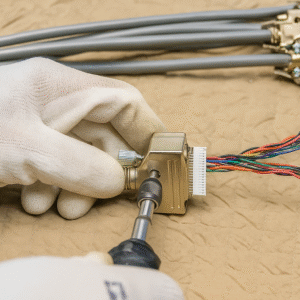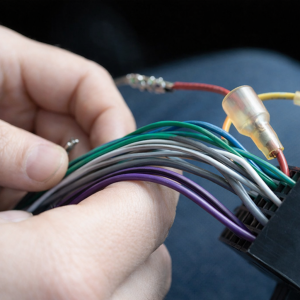

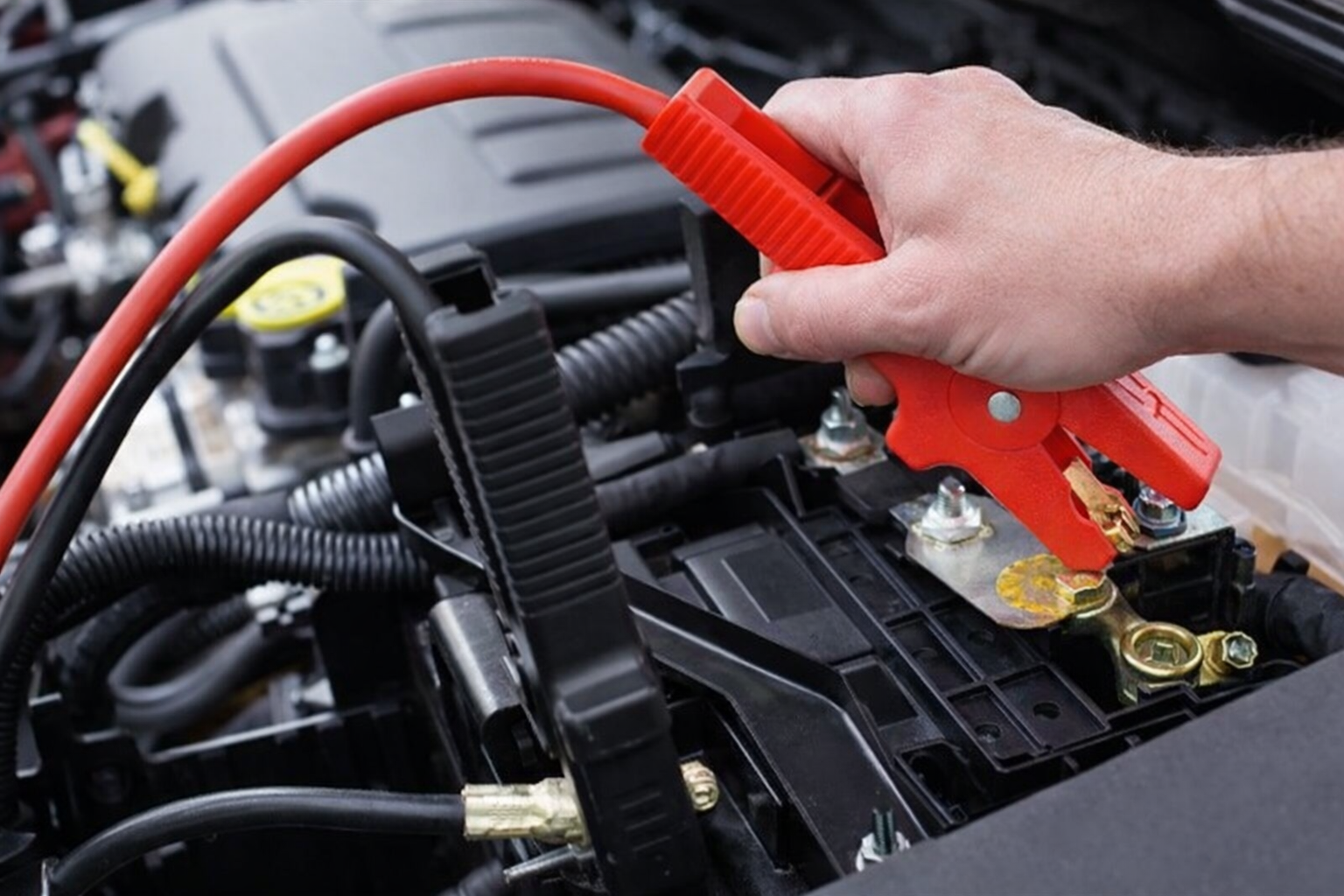
A battery wiring harness connects the battery to critical components such as the ignition system, starter motor, lights, and control units. When the wiring harness fails, the consequences can range from minor electrical glitches to complete vehicle breakdown.
For engineers and purchasing managers, understanding these risks is essential—not only for troubleshooting but also for preventing costly failures and ensuring long-term system reliability.
Quick Answer: 10 Problems Caused by a Bad Battery Wiring Harness
A faulty or low-quality battery wiring harness can lead to the following critical issues:
- Engine shutting off at low speed
- Problems starting the vehicle
- Battery terminal corrosion
- Electrical components malfunction
- Connector damage
- Damage from metal panels or external impact
- Water wicking and internal corrosion
- Mechanical damage
- Thermal expansion issues
- Harness structural damage
Below, we break down each of these problems in detail, including their causes, symptoms, and prevention methods.
What Is a Battery Wiring Harness?
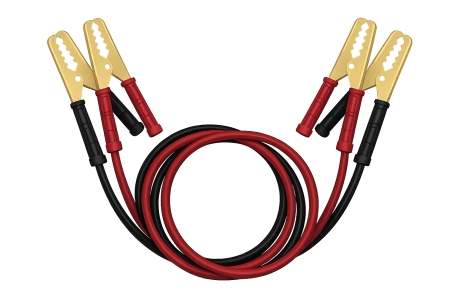
A battery wiring harness is a bundled assembly of electrical cables, terminals, connectors, and protective insulation designed to distribute power from the battery to different vehicle systems.
Key Components
Battery cables (power transmission)
Terminals and connectors (connection points)
Insulation materials (protection against heat and abrasion)
Protective sheathing (mechanical durability)
Primary Functions
Deliver stable voltage to the ignition system
Supply power to electronic components
Ensure safe and organized wiring within the vehicle
A high-quality harness ensures consistent electrical performance, minimal resistance, and long service life.
Why a Bad Wiring Harness Causes System Failures
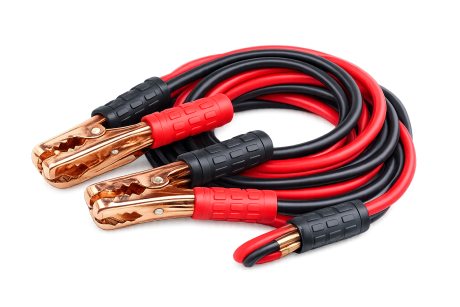
A poor-quality or damaged wiring harness introduces several engineering risks:
1. Increased Electrical Resistance
Corrosion or poor materials increase resistance, causing voltage drops.
2. Intermittent Connectivity
Loose or damaged connectors lead to unstable electrical flow.
3. Environmental Degradation
Exposure to:
Heat
Moisture
Chemicals
can degrade insulation and conductors.
4. Mechanical Stress
Vibration, bending, and improper routing weaken cables over time.
Detailed Breakdown of the 10 Problems
Engine Shutting Off at Low Speed
One of the most common symptoms is the engine shutting down unexpectedly at low speeds.
Cause:
Voltage instability due to loose or corroded wiring
Impact:
Insufficient power to the ignition system
Engine cannot sustain operation
Problems Starting the Vehicle
A faulty harness can prevent the vehicle from starting altogether.
Cause:
Poor connection between battery and starter
Voltage drop in cables
Engineering Insight:
Starting an engine requires high current. Even small resistance increases can significantly reduce cranking performance.
Battery Terminal Corrosion
Corrosion is one of the most widespread issues in battery systems.
Cause:
Acid vapor from the battery
Heat exposure
Effects:
Increased resistance
Reduced current flow
Potential cable damage
Electrical Components Malfunction
A bad harness can cause:
Flickering lights
Dashboard errors
Sensor failures
Reason:
Modern vehicles rely on centralized wiring. A single failure point can affect multiple systems.
Connector Damage
Connectors are often overlooked but are critical failure points.
Common Causes:
Corrosion
Poor crimping
Vibration
Symptoms:
Intermittent power loss
Loose connections
Damage from Metal Panels or External Impact
Physical damage can occur when wiring comes into contact with metal surfaces.
Causes:
Improper routing
Road vibrations
Impact from debris
Result:
Insulation wear
Short circuits
Water Wicking and Internal Corrosion
Water can travel inside wires through micro-cracks.
Process:
Moisture enters through connectors
Travels along conductors
Consequences:
Internal corrosion
Hidden electrical failure
Mechanical Damage
Mechanical stress is a silent but serious issue.
Causes:
Tight wiring
Constant bending
Lack of slack
Problem:
Damage may occur inside the wire while insulation appears intact.
Thermal Expansion Issues
Temperature changes affect wire length and tension.
Effects:
Cold temperatures tighten cables
Increased risk of breakage
Key Risk Area:
Locations with limited slack or sharp bends.
Harness Structural Damage
Severe damage can affect the entire harness structure.
Causes:
Debris impact
Insulation failure
Aging materials
Outcome:
Exposure of internal components
Complete system failure
How to Diagnose Wiring Harness Problems
1. Visual Inspection
Check for corrosion
Look for damaged insulation
2. Voltage Drop Testing
Identify resistance issues
3. Continuity Testing
Detect broken wires
4. Movement Testing
Move wires to identify intermittent faults
How to Prevent Wiring Harness Failures
Design-Level Prevention
Use high-quality copper conductors
Select corrosion-resistant terminals
Ensure proper insulation materials
Installation Best Practices
Avoid tight bends
Provide sufficient slack
Secure harness properly
Environmental Protection
Use waterproof connectors
Add protective sleeves
Shield from heat sources
Maintenance
Regular inspections
Clean battery terminals
Replace damaged components early
Choosing the Right Battery Wiring Harness Supplier (B2B Focus)
For purchasing managers and OEMs, supplier selection is critical.
Key Evaluation Criteria
1. Material Quality
High-purity copper
Durable insulation
2. Connector Reliability
Precision crimping
Corrosion resistance
3. Customization Capability
Custom lengths
Specific terminal types
Application-based design
4. Certifications
ISO standards
Automotive compliance
5. Engineering Support
Design optimization
Failure analysis
Cost reduction solutions
Custom Battery Wiring Harness Solutions
Custom harnesses provide significant advantages:
Benefits
Better fit and routing
Reduced stress points
Improved durability
Optimized electrical performance
Applications
Automotive systems
Electric vehicles (EVs)
Industrial equipment
Heavy machinery
Conclusion
A bad battery wiring harness is not just a minor inconvenience—it can lead to serious performance issues, safety risks, and costly downtime.
By understanding the 10 key problems, engineers and buyers can:
Identify failures early
Improve system reliability
Reduce maintenance costs
Investing in high-quality wiring harness solutions ensures long-term performance and operational stability.
FAQs
1. What are the signs of a bad wiring harness?
Engine issues
Electrical failures
Corrosion
2. Can a wiring harness be repaired?
Minor issues can be repaired, but severe damage requires replacement.
3. How long does a wiring harness last?
Typically 5–15 years depending on conditions.
4. What causes corrosion in battery cables?
Heat and acid vapor.
5. How to prevent water damage?
Use sealed connectors and proper insulation.
Get a Custom Battery Wiring Harness
If you are sourcing battery wiring harnesses for your project, choosing the right partner makes all the difference.
We provide:
Custom battery cable assemblies
High-performance terminals and connectors
OEM & aftermarket solutions
Fast prototyping and mass production
👉 Send us your drawings or specifications today
👉 Get a fast, competitive quote with engineering support
Let us help you build safer, more reliable electrical systems.