
Main Steps in the Wire Harness Assembly Process (Quick Answer Section)
👉 If you are looking for a quick overview, here are the 8 essential steps:
Cutting and stripping wires
Crimping or soldering
Terminal assembly
Routing and bundling
Testing and inspection
Applying protective coverings
Labeling and marking
Final quality approval and packaging
1. Cutting and Stripping Wires
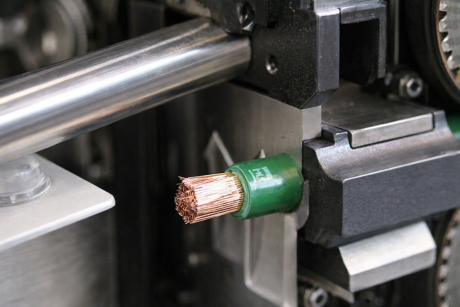
This is the first step in physical production.
Process:
Wires are cut to precise lengths using automated machines
Insulation is stripped from wire ends
Key Advantages:
High precision and consistency
Reduced human error
Improved efficiency
👉 Precision here directly impacts final product quality.
2. Crimping or Soldering
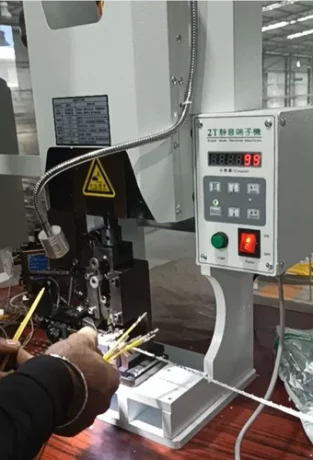
Terminals are attached to the stripped wire ends.
Crimping
Mechanical compression connection
Preferred for mass production
Soldering
Uses molten metal to bond components
Suitable for specialized applications
Why Crimping Is Preferred:
Faster production
Consistent quality
Better vibration resistance
3. Terminal Assembly
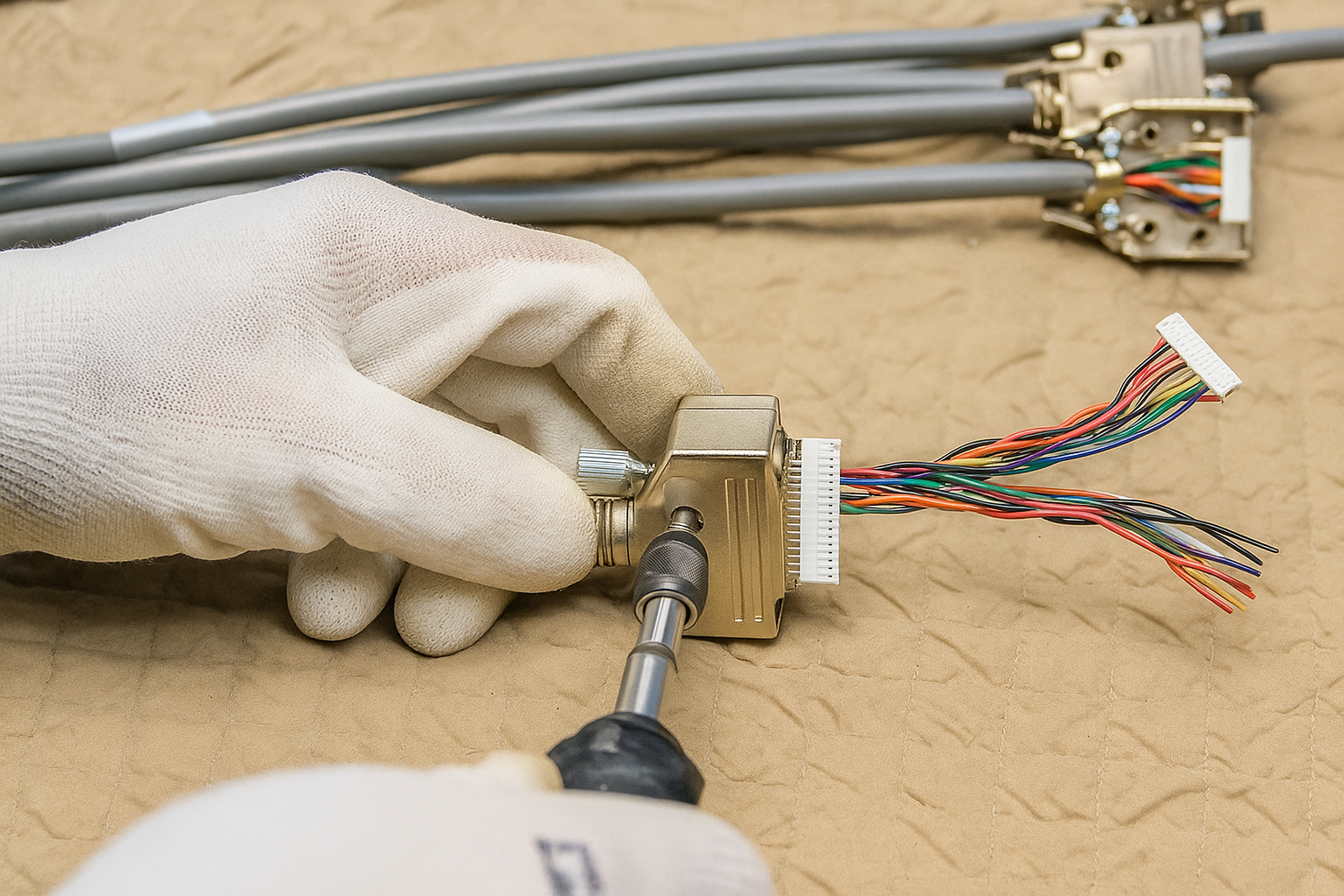
Crimped terminals are inserted into connector housings.
Key Steps:
Terminal insertion
Locking mechanism engagement
Retention force verification
👉 A secure connection ensures long-term electrical reliability.
4. Routing and Bundling
Wires are arranged according to design specifications.
Methods:
Cable ties
Adhesive tapes
Sleeving
Benefits:
Organized structure
Space optimization
Reduced risk of damage
5. Testing and Inspection
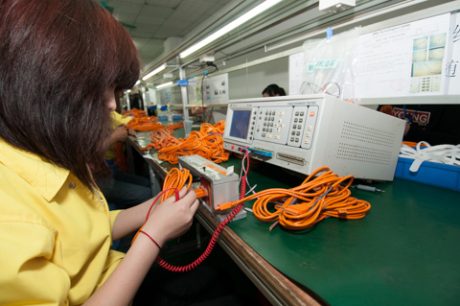
This is one of the most critical stages.
Types of Testing:
Continuity testing
Resistance testing
Functional testing
Inspection Includes:
Visual checks
Routing verification
Damage detection
👉 Reliable manufacturers perform 100% testing.
6. Applying Protective Coverings
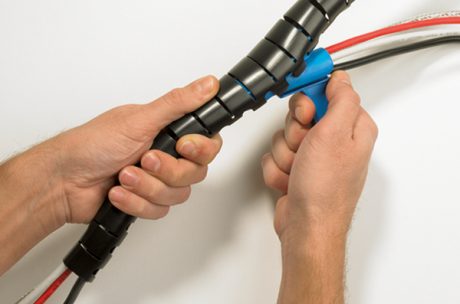
Protection is added to ensure durability.
Common Materials:
Heat shrink tubing
Braided sleeves
Corrugated tubes
Protection Against:
Abrasion
Heat
Chemicals
Moisture
7. Labeling and Marking
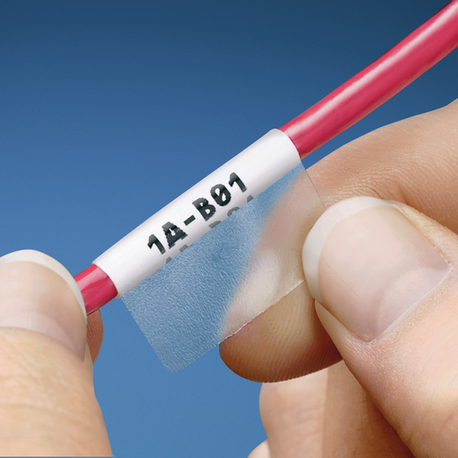
Each harness is labeled for identification.
Benefits:
Easier installation
Faster maintenance
Improved traceability
8. Final Quality Approval and Packaging
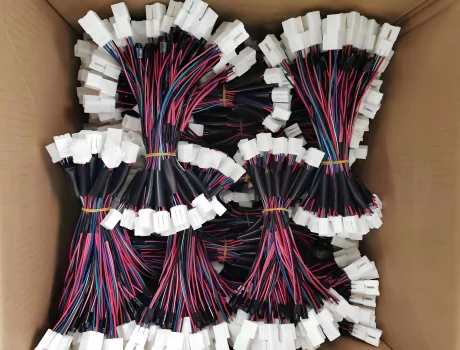
Before shipment:
Final inspection is conducted
Products are packaged securely
👉 Proper packaging prevents damage during transportation.
Introduction
In today’s highly electrified world, wire harnesses serve as the central nervous system of the equipment, enabling reliable power and signal transmission across industries such as automotive, industrial automation, aerospace, and consumer electronics.
A well-designed and properly assembled wire harness can:
Reduce installation time by up to 50%
Improve system reliability
Minimize wiring errors
Lower total production cost
For OEMs and procurement teams, understanding the wire harness assembly process is essential—not only to ensure product quality but also to select the right manufacturing partner.
This comprehensive guide breaks down every stage of wire harness production, helping you make informed sourcing decisions and optimize your supply chain.
What Is a Wire Harness?
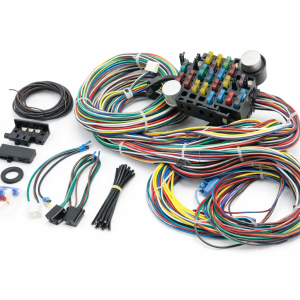
A wire harness is an organized assembly of wires, terminals, connectors, and protective materials, designed to transmit electrical power and signals efficiently within a system.
Key Functions
Consolidates multiple wires into a single system
Protects wires from environmental damage
Simplifies installation and maintenance
Enhances electrical reliability
Wire Harness vs. Loose Wiring
| Feature | Wire Harness | Loose Wiring |
| Organization | Structured | Disorganized |
| Installation | Fast | Time-consuming |
| Reliability | High | Lower |
| Safety | Improved | Risk of errors |
Types of Wire Harnesses
Custom wire harnesses → Tailored to specific applications
Standard harnesses → Pre-designed for common uses
Wire Harness Design and Development
The manufacturing process begins long before production—with engineering design and validation.
1. Requirement Analysis
Key factors include:
Voltage and current requirements
Operating environment (temperature, humidity, vibration)
Mechanical constraints (space, routing paths)
Compliance standards (automotive, industrial)
👉 Accurate requirements prevent costly redesigns and delays.
2. Schematic and Layout Design
Engineers develop:
Circuit diagrams
Wiring schematics
Connector layouts
Design considerations:
Optimal routing paths
Space efficiency
Ease of installation
3. Engineering Tools and Prototyping
CAD software for 2D/3D harness layout
Rapid prototyping for validation
Design for manufacturability (DFM)
👉 Early validation ensures smooth transition to mass production.
Components and Materials Used
1. Conductors
Copper → High conductivity (most common)
Aluminum → Lightweight alternative
2. Terminals and Connectors
Crimp terminals
Plug connectors
Interface connectors
3. Insulation Materials
PVC (cost-effective)
XLPE (high temperature resistance)
PE (flexibility and durability)
4. Protective Materials
Braided sleeves
Heat shrink tubing
Electrical tape
Custom vs Off-the-Shelf Wire Harnesses
Custom Wire Harness
Advantages:
Tailored design
Perfect fit
Optimized performance
Disadvantages:
Longer lead time
Higher initial cost
Off-the-Shelf Harness
Advantages:
Lower cost
Fast availability
Standard compliance
Disadvantages:
Limited customization
How to Choose
Use custom harnesses for complex systems
Use standard harnesses for simple, high-volume needs
Automation in Wire Harness Manufacturing
1. Role of Automation
Automated cutting and stripping
Robotic crimping
Automated testing systems
2. Benefits
Increased production speed
Reduced labor cost
Consistent quality
3. Smart Manufacturing Trends
Data-driven quality control
Real-time production monitoring
Integration with ERP systems
👉 Automation is transforming wire harness production into a high-efficiency, low-error process.
Quality Control and Industry Standards
Key Standards
ISO 9001 → Quality management
IATF 16949 → Automotive quality
IPC/WHMA-A-620 → Wire harness assembly standards
Quality Assurance Measures
Incoming material inspection
In-process checks
Final product testing
👉 Strict quality control ensures consistent and reliable products.
Common Manufacturing Challenges and Solutions
| Challenge | Solution |
| Poor crimp quality | Use calibrated tools and trained operators |
| Routing errors | Improve design validation |
| Material defects | Source from certified suppliers |
| Delivery delays | Choose manufacturers with strong capacity |
Why the Assembly Process Matters for Buyers
Understanding the process helps buyers:
Evaluate supplier capability
Ensure product reliability
Reduce production risks
Optimize total cost
👉 A reliable assembly process directly impacts your product performance and brand reputation.
Conclusion
Wire harness assembly is a complex yet highly structured process that requires precision at every stage—from design and material selection to testing and final packaging.
As industries demand higher performance and faster production, automation and quality control are becoming increasingly critical.
For OEMs and sourcing managers, choosing the right wire harness manufacturer is not just about price—it’s about quality, reliability, and long-term partnership.
FAQs
1. What is the wire harness assembly process?
It is the step-by-step manufacturing process of assembling wires, connectors, and protective materials into a functional electrical system.
2. What is better: crimping or soldering?
Crimping is preferred for most applications due to speed, consistency, and durability.
3. How long does it take to manufacture a wire harness?
It depends on complexity and volume, typically ranging from days to weeks.
4. What materials are used in wire harnesses?
Common materials include copper wires, plastic insulation, metal terminals, and protective sleeves.
5. How can I ensure wire harness quality?
Choose suppliers with:
Certifications
100% testing processes
Proven experience
Looking for a reliable wire harness manufacturer for your next project?
We provide:
✔ Custom wire harness design
✔ High-volume production capability
✔ Precision terminal crimping
✔ 100% quality testing
✔ Fast global delivery
👉 Contact us today for a quote — our engineering team will respond within 24 hours.