
Wire harness connectors are foundational components in modern electrical and electronic systems. While often overlooked, they play a decisive role in ensuring reliable power delivery, accurate signal transmission, and long-term system safety. From medical devices and automotive platforms to aerospace systems and industrial automation, nearly every complex electrical product depends on well-designed wire harness connectors.
A wire harness is far more than a bundle of wires. It is a carefully engineered system that organizes conductors, protects them from environmental hazards, and ensures consistent electrical performance. Connectors are the critical interfaces within this system, allowing individual wires and subassemblies to interact seamlessly with other components, boards, and devices.
Poor connector selection or improper design can lead to signal loss, overheating, intermittent failures, or complete system breakdown. For this reason, connector engineering must be approached with the same rigor as any other core system component.
What Is a Wire Harness Connector?
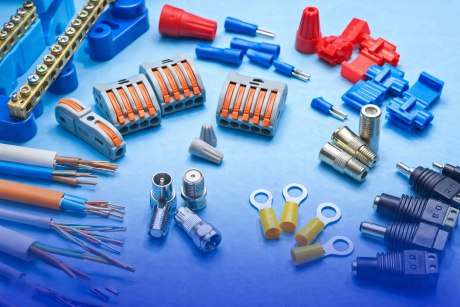
A wire harness connector is a mechanical and electrical interface designed to join two or more conductors, circuits, or subsystems within an electrical assembly. Its primary function is to maintain stable electrical continuity while allowing for assembly, disassembly, service, or replacement when necessary.
Within a wire harness, connectors act as controlled junction points. They allow power, data, or signal to flow across different sections of the system without exposing conductors to external stressors such as vibration, moisture, dust, abrasion, or temperature extremes.
In well-designed harnesses, connectors also improve manufacturability and installation efficiency. Instead of hardwiring entire systems, connectors allow modular assembly, reducing labor time and minimizing the risk of wiring errors.
Male vs. Female Harness Connectors
Wire harness connectors are generally classified into two primary categories: male and female.
Male connectors (plugs) typically feature exposed pins or blades.
Female connectors (jacks or receptacles) contain sockets designed to receive the male contacts.
This complementary design ensures precise alignment, secure engagement, and controlled contact pressure. In most applications, male connectors are attached to cable ends, while female connectors are mounted on equipment, panels, or printed circuit boards. However, the exact configuration depends on safety requirements, space constraints, and service considerations.
Correct pairing of male and female connectors is essential to prevent mismating, arcing, or accidental short circuits, particularly in high-voltage or high-current applications.
Connector Design Variations and Configurations
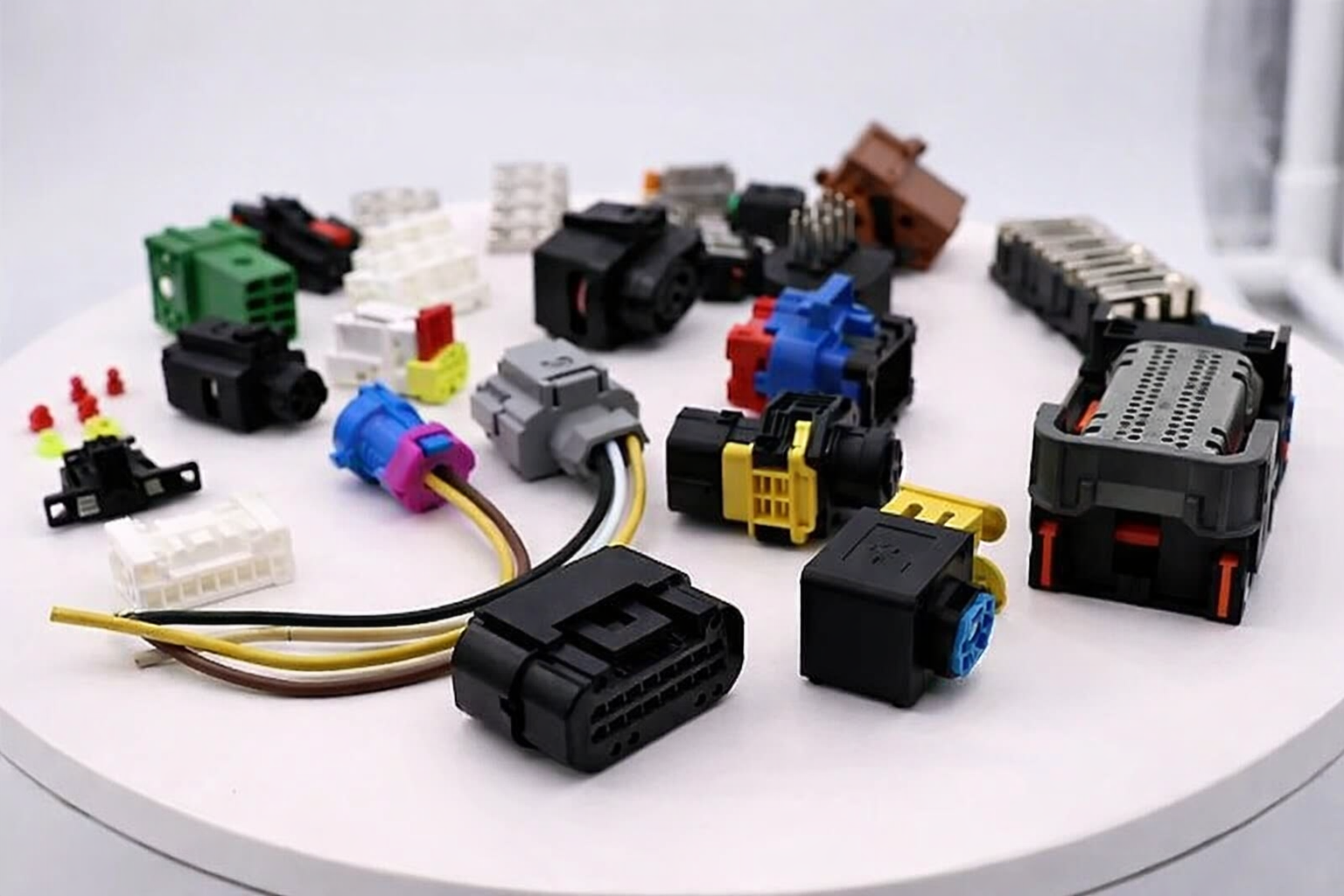
Wire harness connectors are available in an extensive range of designs to accommodate different electrical, mechanical, and environmental requirements. Variations include differences in:
Physical size and profile
Pin count and spacing
Contact material and plating
Housing material and sealing method
Locking and retention mechanisms
Common connector configurations include 2-pin, 3-pin, and 4-pin designs, though high-density connectors may contain dozens or even hundreds of contacts. Configuration types also vary based on how components connect within the system, such as wire-to-wire, wire-to-board, board-to-board, or hybrid configurations.
Selecting the correct configuration ensures efficient routing, optimal electrical performance, and long-term system reliability.
Key Design Variables for Wiring Harness Connectors
Effective connector selection requires careful consideration of multiple engineering variables, including:
Current and voltage ratings to prevent overheating or dielectric breakdown
Circuit density to maximize functionality within limited space
Engagement and retention force to resist vibration and mechanical shock
Wire gauge and conductor type to match electrical load requirements
Environmental exposure, including temperature, moisture, chemicals, and UV radiation
Regulatory and industry certifications, such as UL, MIL-SPEC, or medical standards
Component cost and availability, especially for long-term production programs
Lead times and supply chain stability to avoid production delays
Balancing these factors is a core responsibility of experienced wire harness engineers.
Overview of Wiring Harness Terminals
Terminals are the end-point connection elements of individual wires within a harness. While connectors join assemblies together, terminals create the electrical and mechanical bond between a conductor and a connector, stud, or device.
A terminal must provide low electrical resistance, strong mechanical retention, and long-term stability under operating conditions. Improper terminal selection or crimping can compromise the entire harness, even if all other components are correctly specified.
Common Types of Wire Harness Terminals
Several terminal types are commonly used across industries:
Ring terminals: Designed for secure attachment to studs or screws, often used in power and grounding applications
Spade (fork) terminals: Allow quick installation and removal without fully removing fasteners
Hook terminals: Simple open-ended terminals suitable for compact or temporary connections
Quick-connect/disconnect terminals: Ideal for automotive and industrial systems requiring frequent service
Bullet terminals: Used for inline male-to-female wire connections
Each terminal type serves a specific functional and mechanical purpose, making proper selection essential.
Designing Wire Harness Connectors for Custom Applications
Wire harnesses are inherently application-specific. Effective connector design begins with a complete understanding of the system’s operational environment, performance requirements, and lifecycle expectations.
Custom harness design often involves trade-offs between performance, cost, and manufacturability. Close collaboration between engineers, manufacturers, and end users ensures that the final design meets both technical and commercial objectives.
Environmental and Location Considerations
Connector performance is heavily influenced by where and how it is used. Factors such as extreme temperatures, vibration, moisture ingress, dust exposure, and chemical contact must be addressed early in the design process.
Applications in aerospace, military, and industrial environments demand connectors that can survive harsh conditions without degradation. In many cases, sealed housings, specialized materials, and robust locking mechanisms are required.
Mitigating Electrical and Signal Interference
Electromagnetic interference (EMI) and radio frequency interference (RFI) can severely degrade system performance. Proper connector and harness design helps mitigate these risks through shielding, grounding strategies, and controlled impedance.
Materials such as Mylar, braided shields, or conductive foils are often integrated into harness assemblies to preserve signal integrity, especially in communication and data transmission systems.
Precision and Measurement in Harness Design
Accurate measurement is critical to wire harness performance. Wire lengths, bend radii, routing paths, and termination locations must be precisely engineered to avoid mechanical stress and electrical inefficiencies.
Precision design improves installation efficiency, reduces material waste, and ensures consistent performance across production runs.
Quality Requirements for Harness Connectors and Terminals
High-quality connectors and terminals are essential for maintaining system reliability. Manufacturers operating under standards such as ISO 9001 must demonstrate consistent product quality, controlled processes, and traceable documentation.
Quality assurance includes material verification, dimensional inspection, electrical testing, and mechanical validation.
Testing and Validation of Wire Harness Connectors
Testing is a critical step in harness manufacturing. Automated continuity and resistance testing verify electrical performance, while environmental testing simulates real-world operating conditions.
Custom harnesses often require custom test protocols to ensure compliance with unique application requirements.
Manufacturing Process Quality and Continuous Improvement
Beyond product quality, process quality is equally important. Lean manufacturing practices, just-in-time production, Kanban systems, and Six Sigma methodologies help manufacturers reduce waste, improve consistency, and respond quickly to customer needs.
A mature quality system ensures not only reliable products, but also dependable delivery and responsive customer support.
Choosing the Right Custom Wire Harness Partner
Selecting the right wire harness manufacturer is a strategic decision. Experienced partners bring deep engineering knowledge, extensive tooling capabilities, and proven quality systems.
A strong manufacturing partner does more than build parts—they contribute to design optimization, risk reduction, and long-term product success.
FAQ
1. How do I choose the right connector for a wire harness application?
Choosing the right connector requires evaluating electrical requirements (current, voltage, and signal type), environmental conditions (temperature, moisture, vibration), mechanical constraints (space, mating cycles), and regulatory standards. A proper connector should meet performance needs while maintaining long-term reliability and manufacturability.
2. What is the difference between a connector and a terminal in a wire harness?
A connector is an assembly that joins two or more circuits or subsystems, while a terminal is the component that terminates an individual wire and provides the electrical interface within the connector or to a stud or device. Both must be correctly specified and installed to ensure reliable electrical performance.
3. Why is connector material and plating important?
Connector materials and contact plating directly affect conductivity, corrosion resistance, and mating durability. Common platings such as tin, gold, or silver are selected based on current levels, signal sensitivity, environmental exposure, and expected mating cycles. Incorrect material selection can lead to signal degradation or premature failure.
4. When should sealed or environmentally rated connectors be used?
Sealed or environmentally rated connectors should be used in applications exposed to moisture, dust, chemicals, or temperature extremes. Industries such as automotive, aerospace, military, and outdoor industrial equipment typically require sealed connectors to prevent corrosion and maintain electrical integrity over time.
5. Can wire harness connectors be customized for specific applications?
Yes. Custom connectors or modified standard connectors are often used when off-the-shelf options cannot meet unique electrical, mechanical, or space requirements. Customization may include pin configuration changes, housing modifications, specialized materials, or integrated shielding features.
6. What are the most common causes of wire harness connector failure?
Common causes include improper crimping or soldering, incorrect connector selection, insufficient strain relief, environmental exposure beyond the connector’s rating, and excessive vibration or mechanical stress. Rigorous testing and proper design practices significantly reduce these risks.
7. How important is testing for wire harness connectors and terminals?
Testing is critical. Electrical continuity, insulation resistance, and contact resistance tests verify performance, while mechanical and environmental tests validate durability under real-world conditions. Comprehensive testing ensures the harness meets both functional and safety requirements before deployment.
8. Should cost or performance be prioritized when selecting connectors?
Performance and reliability should always be prioritized, especially in critical applications. While cost is an important consideration, selecting connectors solely based on price can lead to higher lifecycle costs due to failures, downtime, or rework. A balanced approach ensures both economic and technical success.