
Modern vehicles depend on complex electrical systems to power everything from ignition and fuel injectors to infotainment and safety sensors. Without an organized wiring system, these circuits would be a tangled mess of cables.
That’s where the engine wiring harness comes in. It’s the central nervous system of your vehicle’s electrical setup, linking sensors, relays, and electronic control units (ECUs) together.
Choosing the right harness — and maintaining it properly — ensures your car runs safely, efficiently, and reliably. Let’s explore what it does, what types exist, and how to troubleshoot or replace one when needed.
What Is an Engine Wiring Harness?
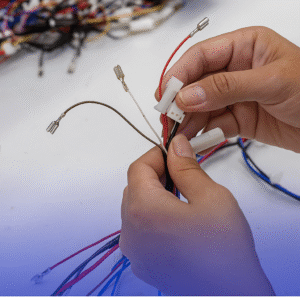
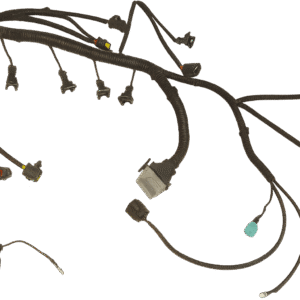
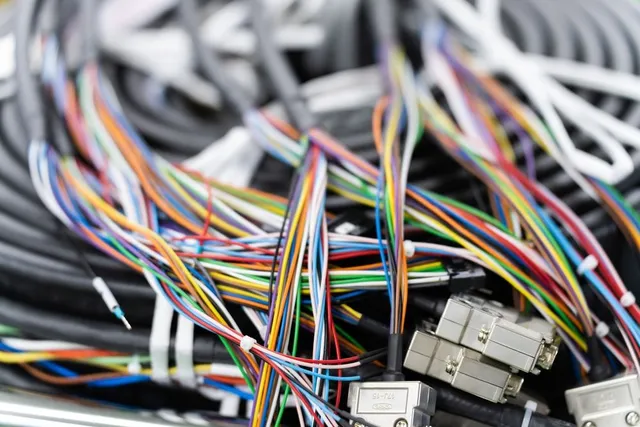
An engine wiring harness is a network of wires, terminals, and connectors designed to transmit electrical power and data signals throughout the engine bay.
It connects crucial components like:
The battery
Alternator
Ignition system
Fuel injectors
Sensors (oxygen, temperature, crankshaft, etc.)
ECU (Engine Control Unit)
To protect the system from heat, moisture, vibration, and corrosion, most harnesses are wrapped with flame-retardant insulation and sealed connectors.
This ensures stable performance even in extreme automotive environments.
In short, the harness acts as the bridge between electrical components, ensuring accurate communication and efficient power distribution.
Major Types of Vehicle Wiring Harnesses
Major Types of Vehicle Wiring Harnesses
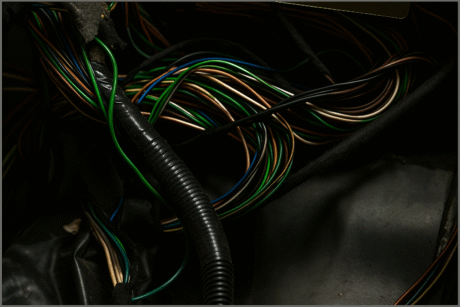
A vehicle contains multiple wiring harnesses, each serving a specific function. The most important ones include:
Engine Harness – Controls sensors, injectors, ignition coils, and ECU connections.
Main Harness – Distributes power to dashboard electronics and infotainment systems.
Body or Floor Harness – Handles HVAC controls, navigation units, and lighting systems.
Airbag Harness – Connects airbag sensors and actuators for deployment safety.
Battery Harness – Transfers primary power between the battery, alternator, and fuse box.
Door Harness – Powers windows, locks, and door-mounted speakers.
Roof Harness – Operates sunroof and roof lighting systems.
Front Wiring Harness – Connects the headlights, sensors, and actuators at the vehicle’s front end.
Each harness is designed to match its function — using wire gauges, insulation materials, and connectors suited to the operating environment.
How to Choose the Right Engine Wiring Harness
Selecting the correct engine wiring harness depends on your vehicle’s requirements, budget, and desired quality.
4.1 OEM or N.O.S. (New Old Stock) Harnesses
OEM (Original Equipment Manufacturer) harnesses are made by the vehicle’s original supplier.
N.O.S. harnesses are unused original parts stored for older vehicles.
Advantages:
Perfect fit and compatibility
Simple installation
Factory-quality reliability
Usually backed by warranty
Drawbacks:
May degrade over time due to long-term storage
Limited availability for older models
Higher price
These are ideal if you want factory-correct performance and appearance, especially for restoration projects.
4.2 Factory-Original Custom Harnesses (Reproduction or OEM-Design)
Custom harnesses are produced using the same design as OEM versions but can be modified to fit your unique setup.
Advantages:
More affordable and widely available
Can be customized for performance upgrades or additional systems
Modern materials may offer better heat and wear resistance
Drawbacks:
Quality may vary between manufacturers
Some may lack official certification or warranty
Requires precise compatibility checking before installation
For modified vehicles or specialized machinery, a custom harness often provides a good balance between performance and flexibility.
How to Troubleshoot Engine Wiring Problems
When electrical issues occur, the engine wiring harness is often the first place to check.
Here’s how to identify and diagnose common problems.
Common Symptoms
Certain systems or sensors stop working
Warning lights appear on the dashboard
Engine misfires or stalls
Blown fuses or frequent electrical shorts
Diagnostic Steps
Check fuses and relays – Start with the fuse box to confirm no circuits are blown.
Visually inspect wires – Look for corrosion, wear, or burnt insulation.
Use a multimeter – Measure voltage drop and continuity across circuits.
Divide the circuit – Test sections individually to pinpoint faults.
Check ground connections – Ensure they’re clean and securely fastened.
Test harness resistance – Typical resistance should be 0.3–0.5 ohms.
Decide to repair or replace – If multiple wires are damaged, replacement is usually safer and faster.
How to Replace an Engine Wiring Harness
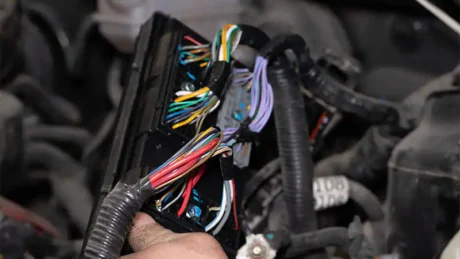
How to Replace an Engine Wiring Harness
Replacing an engine harness may sound intimidating, but with patience and care, it can be done methodically.
Step-by-Step Guide
Take detailed photos of all connections before disassembly.
Disconnect the battery to prevent accidental shorts.
Remove old harness, unclip connectors, and note sensor locations.
Lift or jack up the vehicle for better access to lower connectors.
Label the new harness connections clearly.
Install the new wiring, routing it safely away from exhausts and moving parts.
Reconnect the battery and test each circuit to confirm proper function.
Taking time during labeling and routing prevents future issues and ensures the new harness lasts longer.
Cost of Engine Wiring Harness Repair or Replacement
The cost of replacing or repairing an engine wiring harness depends on:
Vehicle make and model
Number of circuits involved
Labor costs in your region
OEM vs. aftermarket parts
Typical cost range:
Minor repairs: under $100
Partial replacement: $300–$600
Full replacement: $800–$1,200 or more
While DIY repair can save money, professional service ensures proper safety and reliability — especially for modern vehicles with complex electronics.
Don’t Compromise on Quality
A wiring harness might not seem exciting, but it’s one of the most critical parts of your engine’s electrical system.
Always choose a trusted manufacturer or supplier that offers reliable insulation, corrosion resistance, and correct wire gauges.
OEM-quality harnesses guarantee durability, while custom-built ones provide flexibility for performance setups.
Never settle for low-quality substitutes — an unreliable harness can lead to costly damage or even electrical fires.
Summary
The engine wiring harness plays a vital role in ensuring all electrical components in your vehicle communicate and operate properly.
From powering injectors to linking sensors, it keeps the entire system synchronized.
When choosing a harness, consider OEM quality for precision fitment or a custom option for flexibility.
And if you notice electrical issues, don’t delay diagnostics — timely repair or replacement can prevent major system failures.
FAQs
- How long does an engine wiring harness last?
Typically 10–15 years, depending on temperature, vibration, and maintenance. - Can a faulty harness cause a car not to start?
Yes. Damaged power or ground wires can interrupt ignition or fuel injector signals. - Is it safe to repair a damaged harness instead of replacing it?
Minor repairs are fine, but major damage or corrosion should lead to full replacement. - How can I protect my harness from damage?
Use protective conduit, keep connectors clean, and avoid direct exposure to heat sources. - What’s the difference between OEM and aftermarket harnesses?
OEM offers exact fit and durability; aftermarket versions are more affordable but may require adjustments.