





Renewable Energy Wiring Harnesses

Standard wiring often fails to perform in challenging renewable energy settings such as solar farms, wind turbines, and battery storage systems. Wiringo supplies custom-designed harnesses built to manage the most demanding conditions without compromise. Our customized solutions include:

Our Clients

A renewable energy wire harness is a purpose-built network of cables, connectors, and protective elements created specifically for solar, wind, and energy storage systems. These harnesses are designed to tolerate severe conditions, extreme temperatures, moisture, vibration, and prolonged UV exposure, while effectively transmitting power.

Essential Components of Renewable Energy Wire Harnesses

Every high-performance wire harness incorporates four elements:

imgi_18_components-1

Function

Effectively convey power while enduring environmental pressures like UV radiation, temperature variations, and mechanical vibration.
imgi_19_components-2

Design

Guarantee ideal routing, protection, and maintainability for solar arrays, wind turbines, and battery storage installations.
imgi_20_components-3

Materials

Preserve flexibility in sub-zero temperatures while preventing thermal degradation and UV damage.
imgi_21_components-4

Standards

Complies with strict industry certifications (UL, IEC) for safety and performance in renewable energy applications.

Product Details

Grace’s wire harnesses are constructed from industrial-grade materials to endure demanding environments. We utilize premium components, including heavy-duty cables, weatherproof connectors, and optional smart monitoring features. This robust design provides dependable long-term operation while minimizing maintenance requirements and system interruptions.

Voltage RatingUp to 1000V AC/DC
CertificationsUL, IEC, CSA, RoHS compliant
Current Capacity15A to 200A (wire gauge dependent)
Environmental ProtectionIP67/IP68 waterproof rated
Temperature Range-40°C to +105°C operational
Vibration ResistanceWithstands 15g at 5-2000Hz (ideal for wind turbines)
Testing ComplianceMeets IEC 60529, IEC 61010, UL 4703 standards
Flame RatingUL94 V-0 flame retardant available

Industry Applications

Grace's custom wire harnesses are engineered to satisfy the stringent performance demands of renewable energy systems across multiple industries.

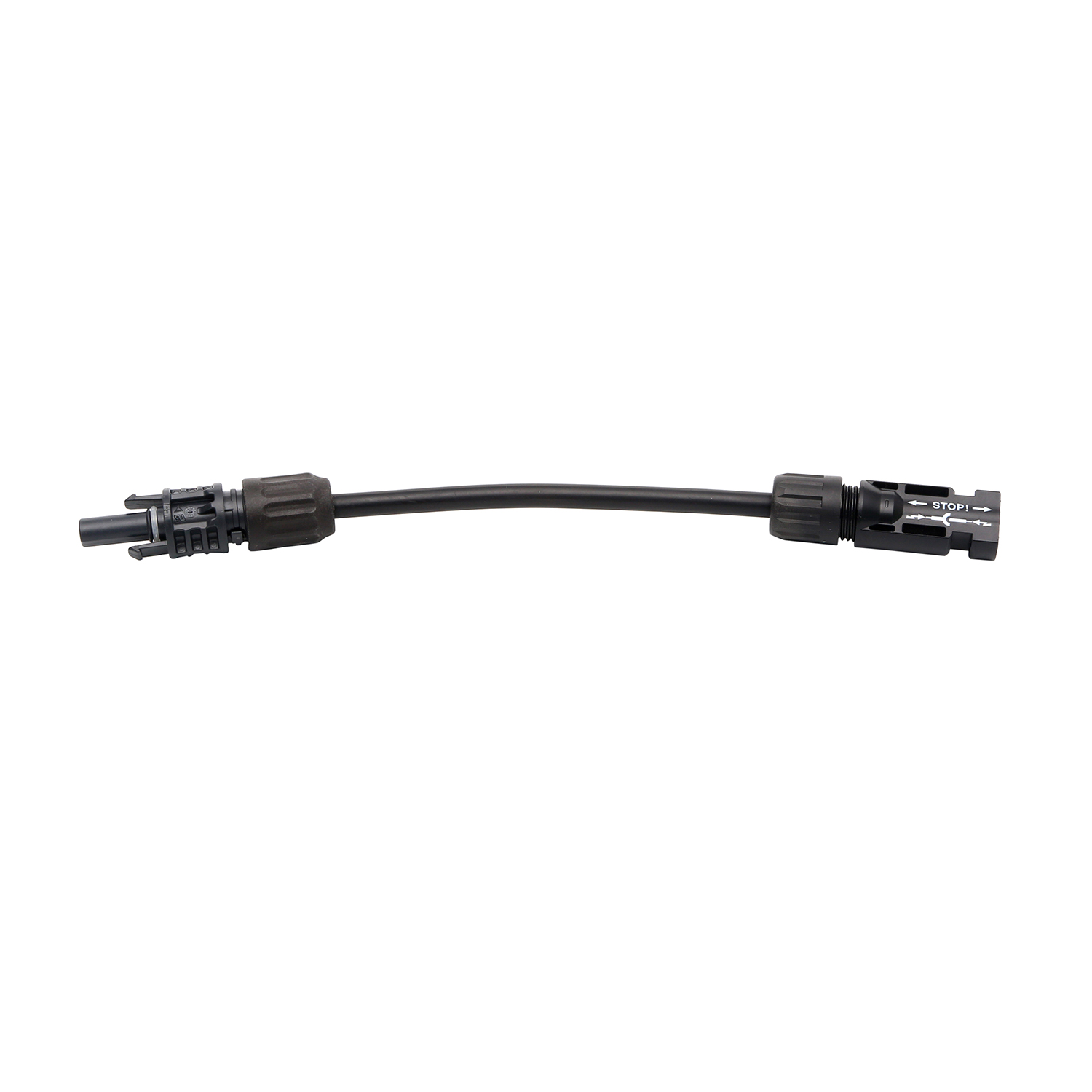
Solar & Wind System

Solar & Wind System

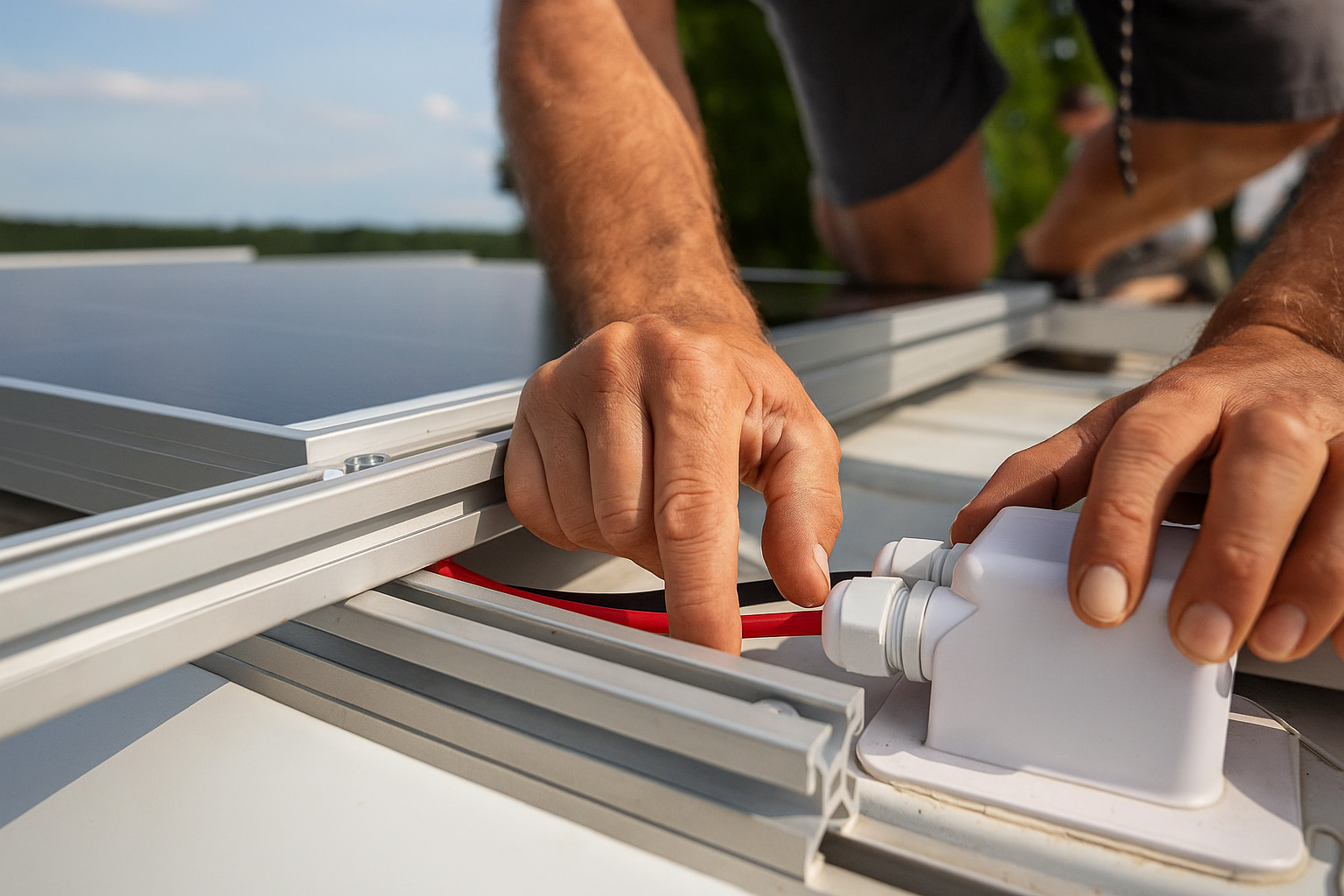
Utility-scale solar and wind energy projects need wiring solutions that endure decades of severe environmental challenges while preserving peak performance. Our cables are engineered to tolerate the most rigorous conditions, including strong UV radiation, temperature extremes, corrosive dampness, and abrasive particles. Our solutions assure the dependable, high-performance connectivity necessary for large-scale renewable installations, enabling uninterrupted operation and maximum availability.
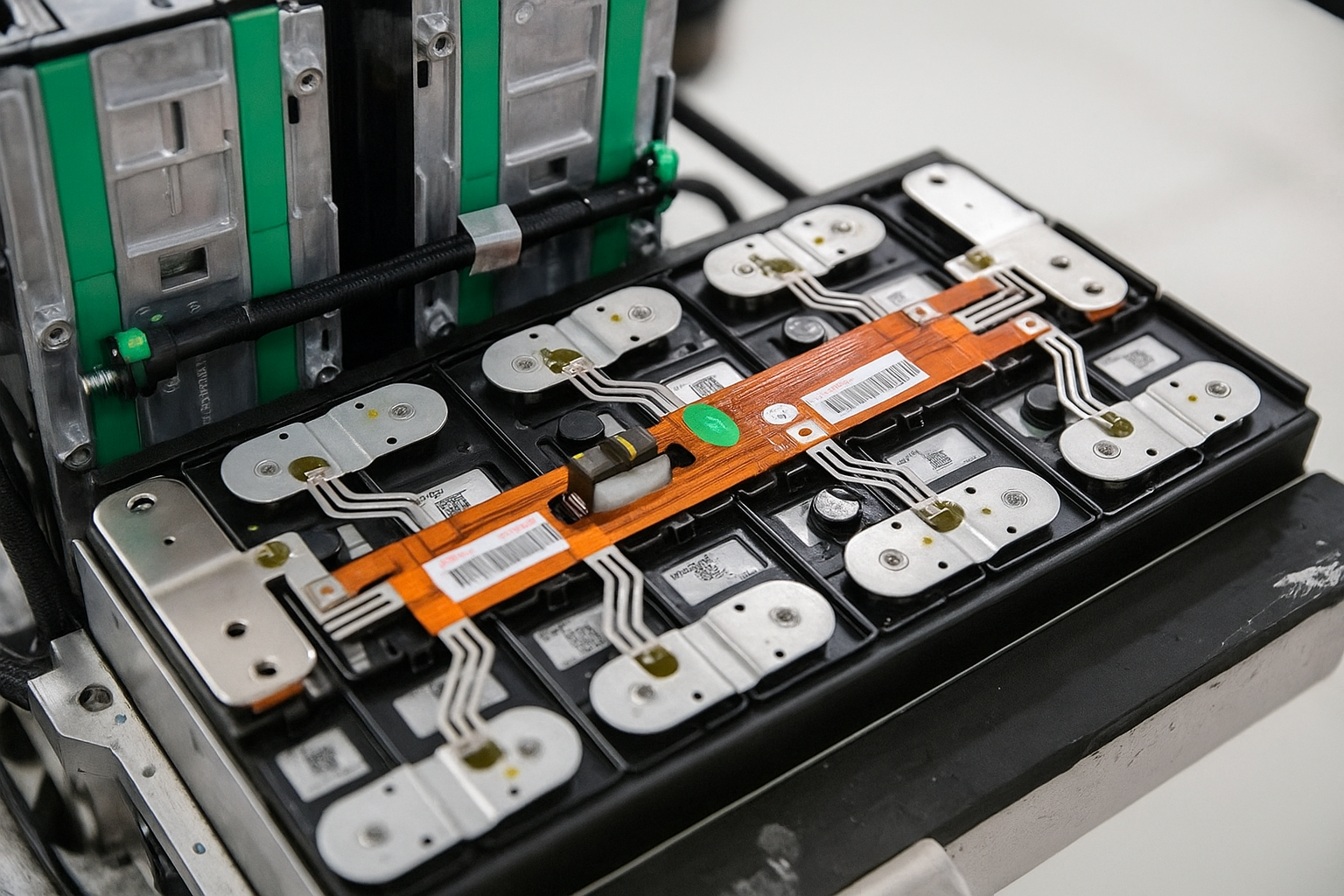
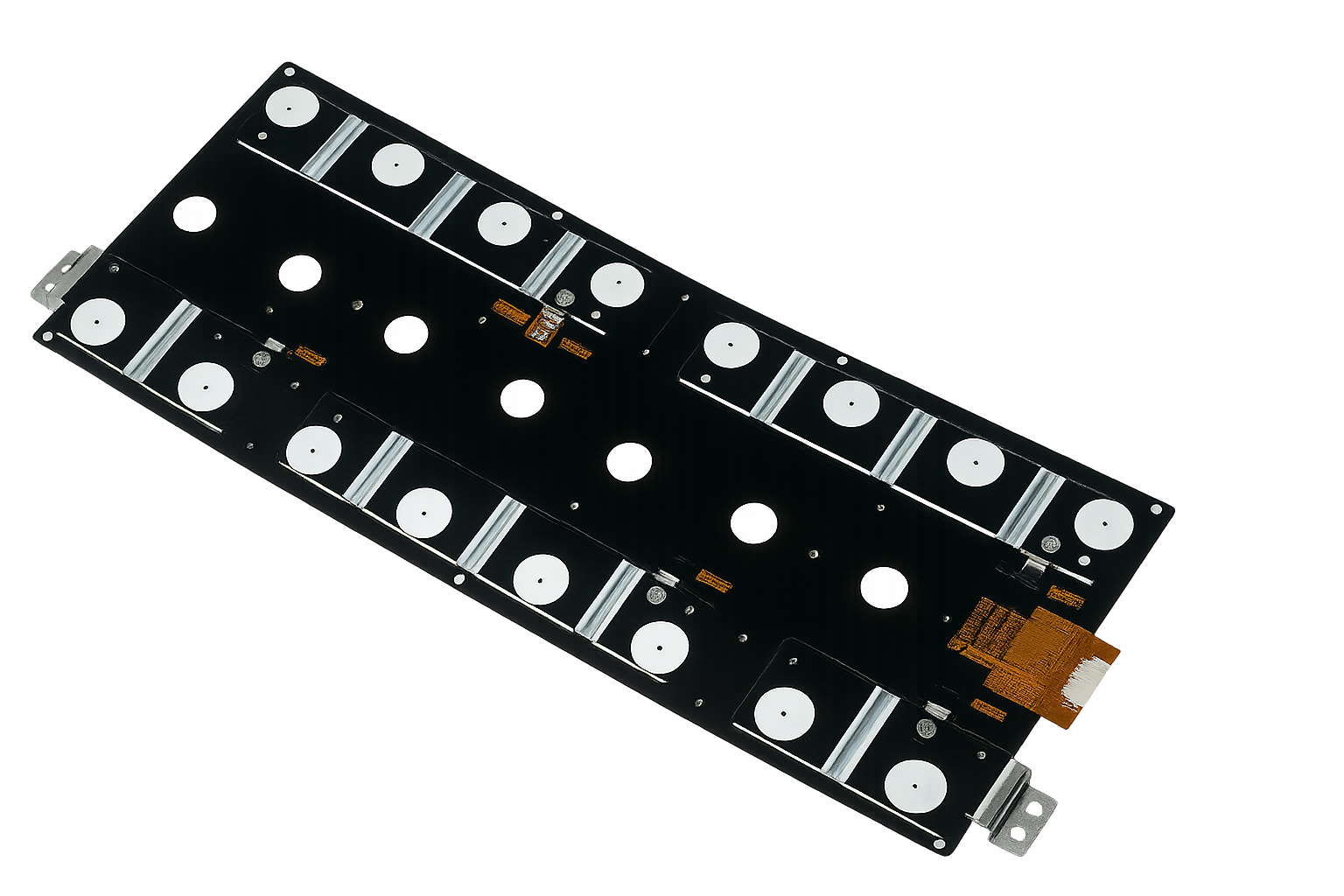
Cells Contact System (CCS)

Cells Contact System (CCS)

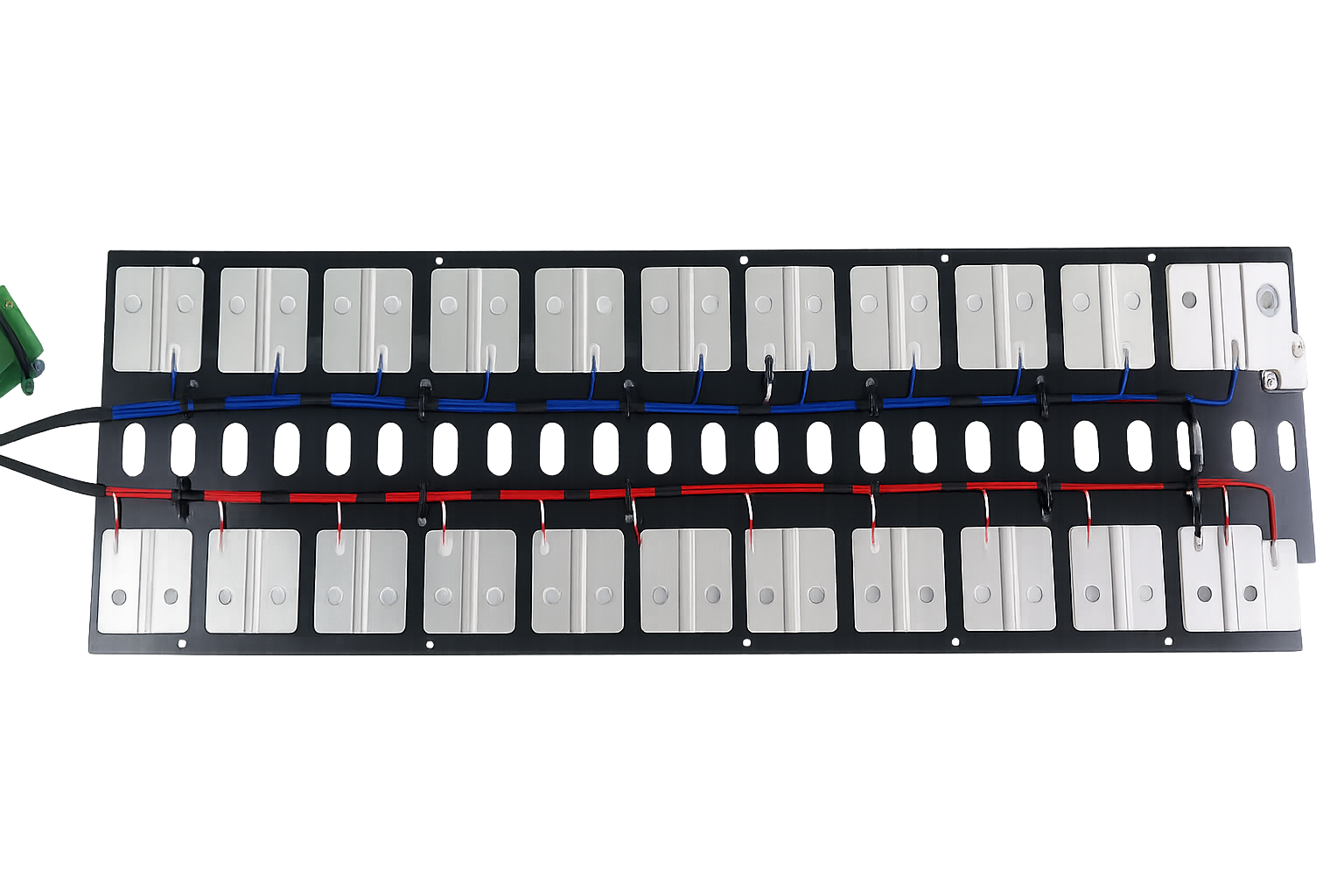
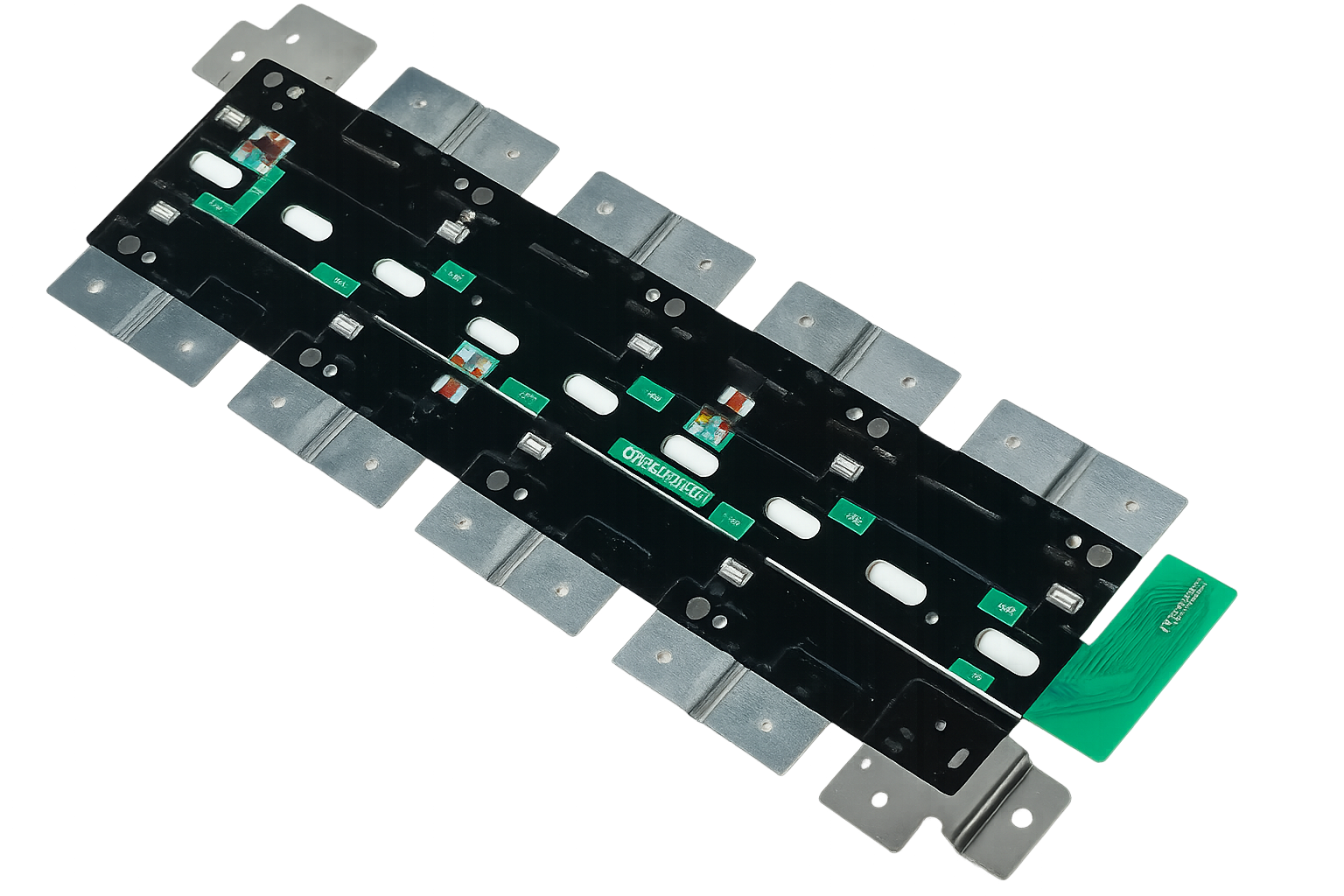
The Cell Contact System (CCS) is an engineering solution specifically created to manage the series and parallel arrangements of lithium-ion battery cells. By eliminating the need for bulky wiring harnesses, the CCS drastically optimizes the available space within the battery pack. Its assembly typically utilizes methods like thermal lamination or blister tray riveting to ensure a secure and highly reliable connection.
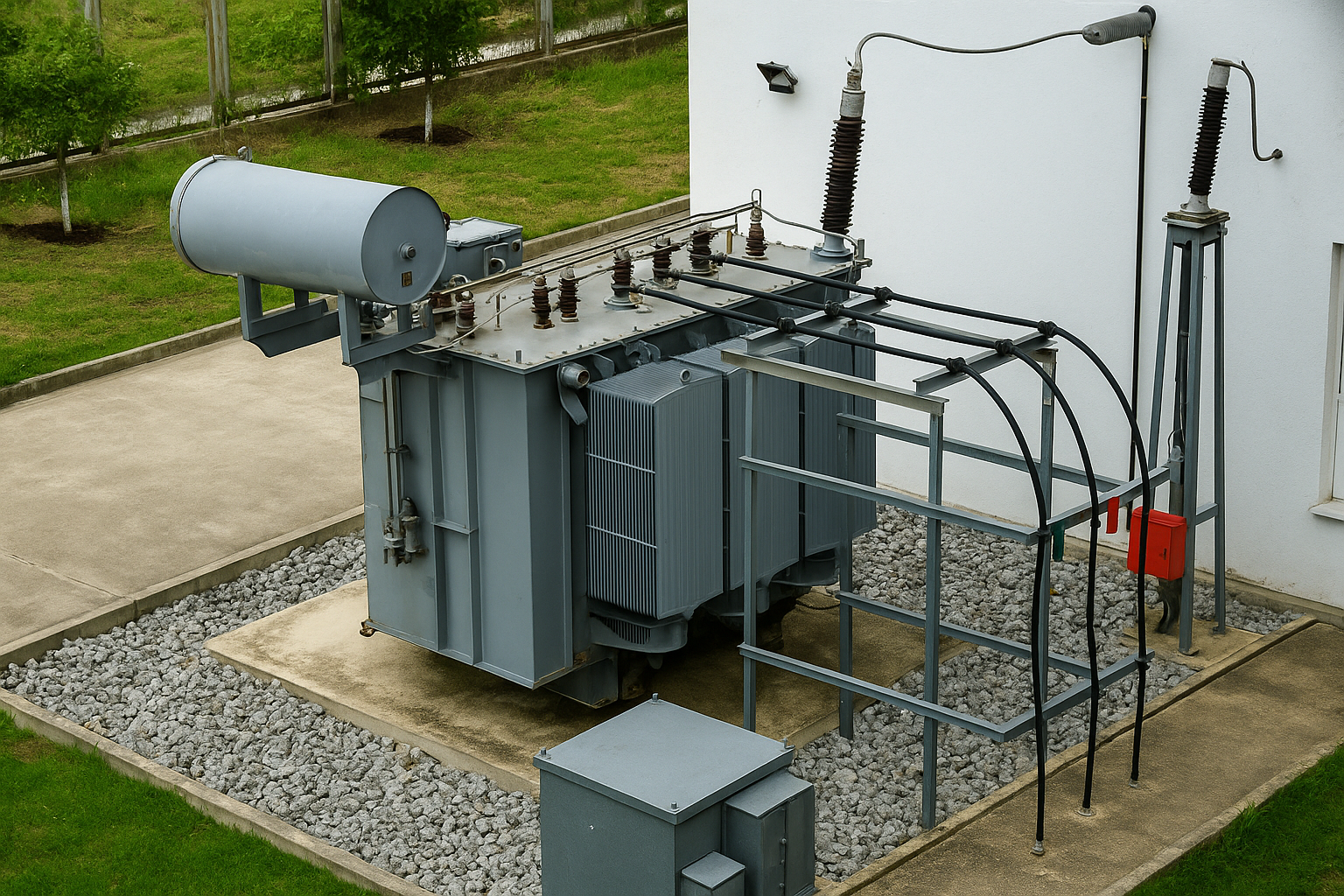
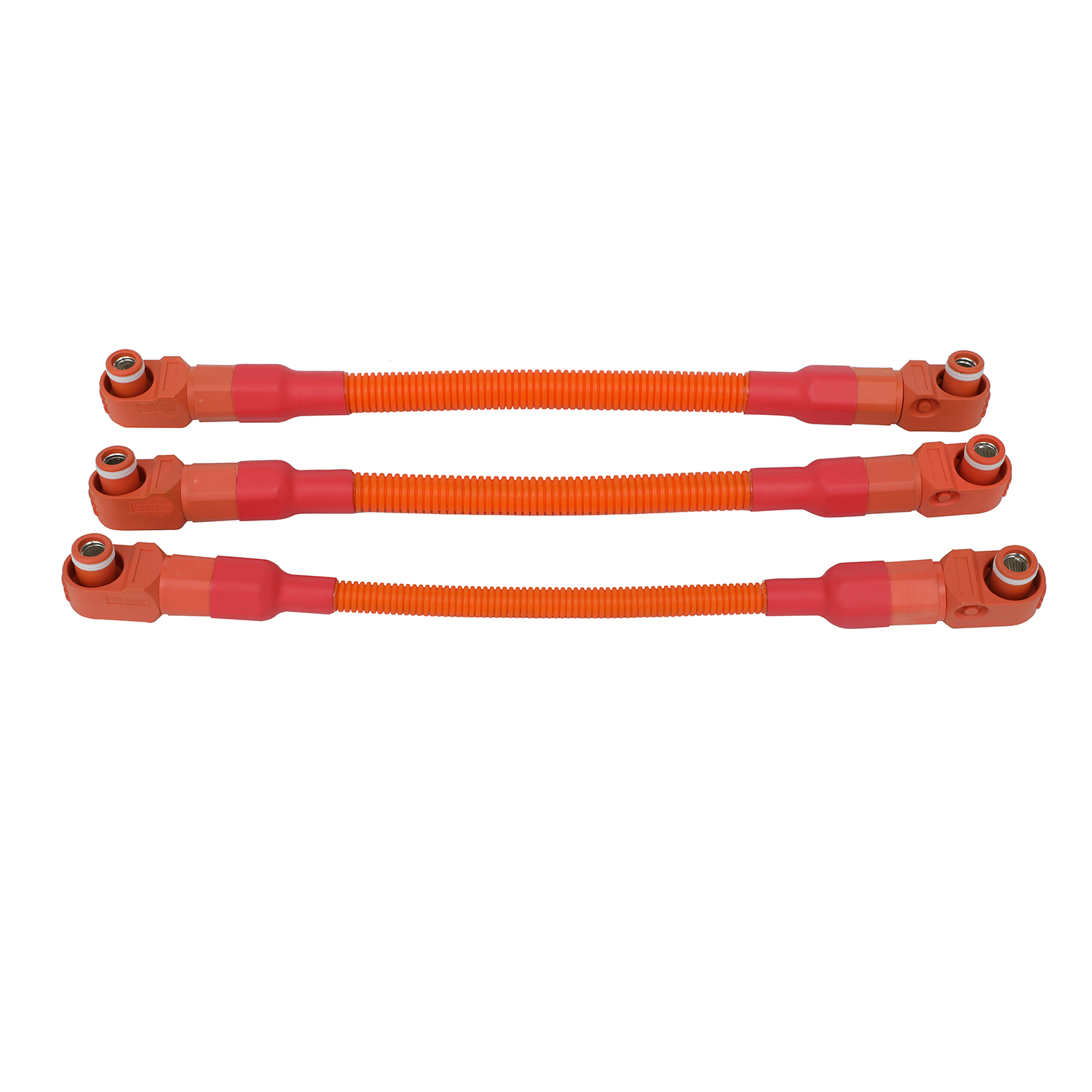
Energy Storage

Energy Storage

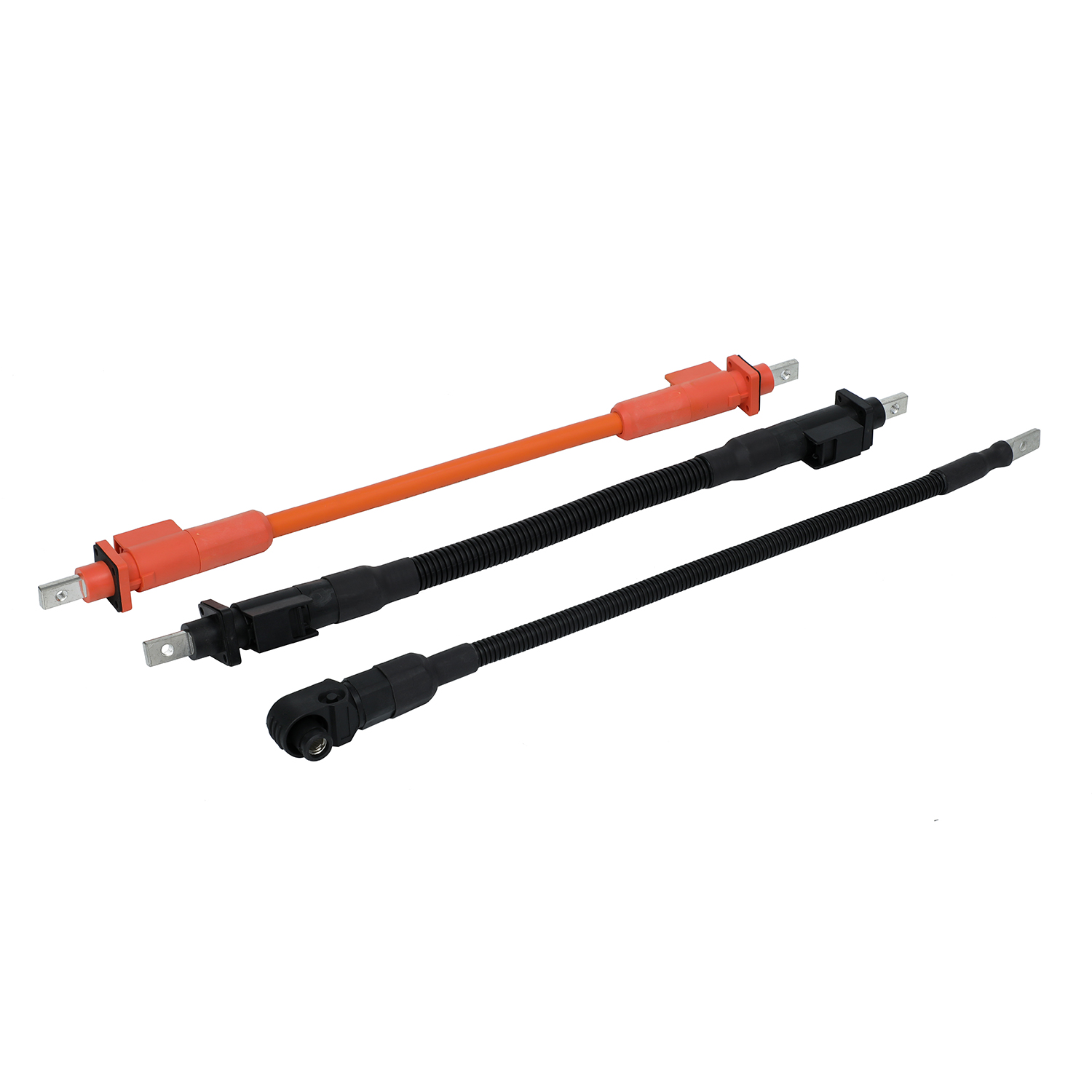
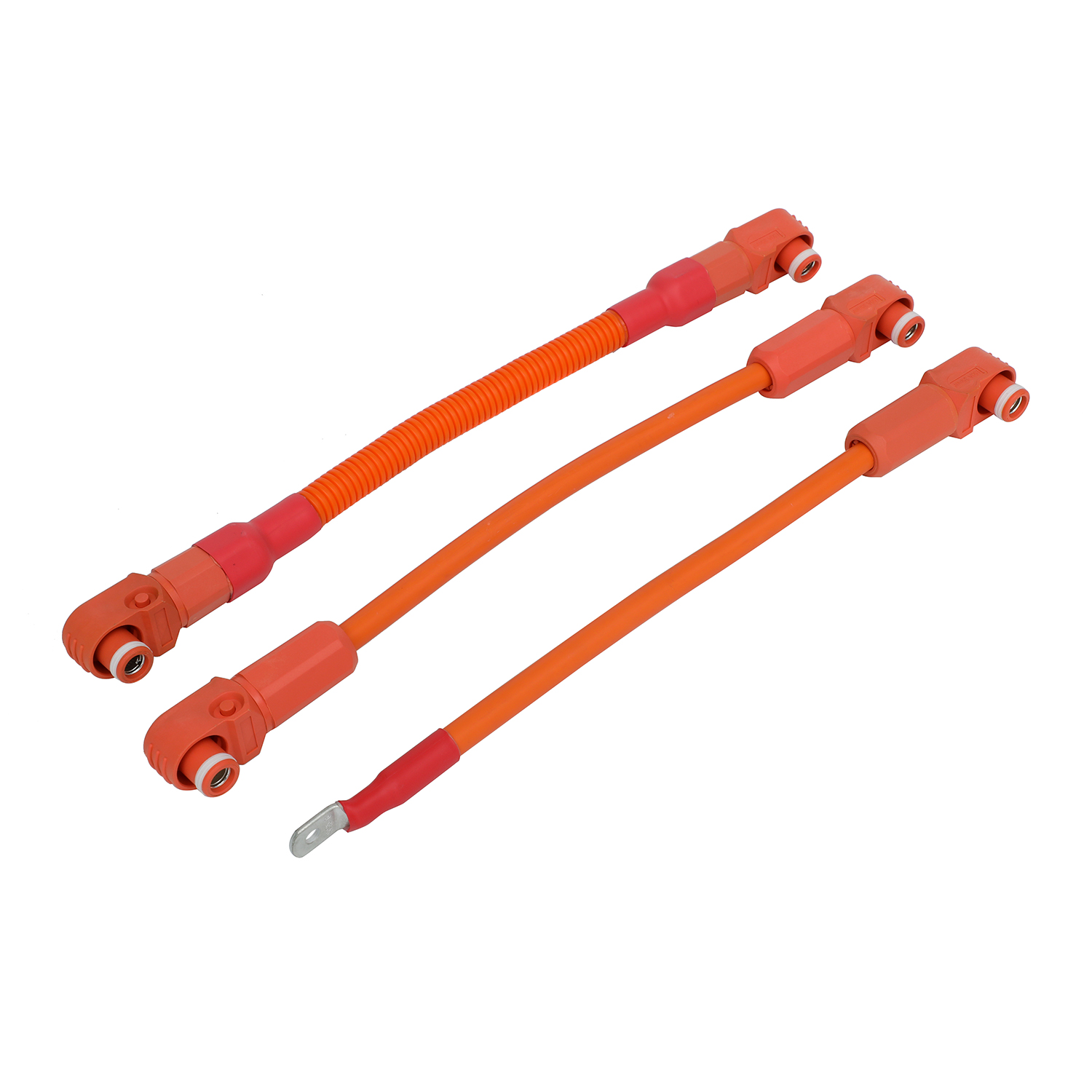
Energy storage systems need specialized cable assemblies created to meet the particular demands of battery technology. Our solutions tackle practical storage challenges, including controlling heat during fast charging, avoiding voltage loss over extended distances, and maintaining signal accuracy for smart monitoring systems. From grid-scale battery arrays to home storage setups, our products guarantee consistent energy transfer, whether it's series connections between battery units, parallel setups for capacity expansion, or the essential connections between storage systems and power control electronics.


Quality and Safety, Guaranteed

We build each product to guarantee dependability, safety, longevity, and peak performance.

What Our Customers Are Saying

Learn from thousands of contented customers about Wiringo's focus on product excellence and client service.

Frequently Asked Questions

Our harnesses incorporate UV-resistant jackets, weatherproof connectors (IP67+), and vibration-proof strain relief specifically for solar, wind, and storage systems. They’re constructed to withstand 20+ years of sunlight, salt, and temperature fluctuations that would deteriorate ordinary wiring.

Certainly. All high-voltage harnesses (up to 1000V) comply with UL 4703, IEC 62930, and other crucial standards. We incorporate dual insulation, arc-resistant materials, and full test documentation with every shipment.

When properly specified, our harnesses are designed for 25+ year service life in renewable applications. We test accelerated samples to validate performance under prolonged UV, thermal cycling, and mechanical stress.

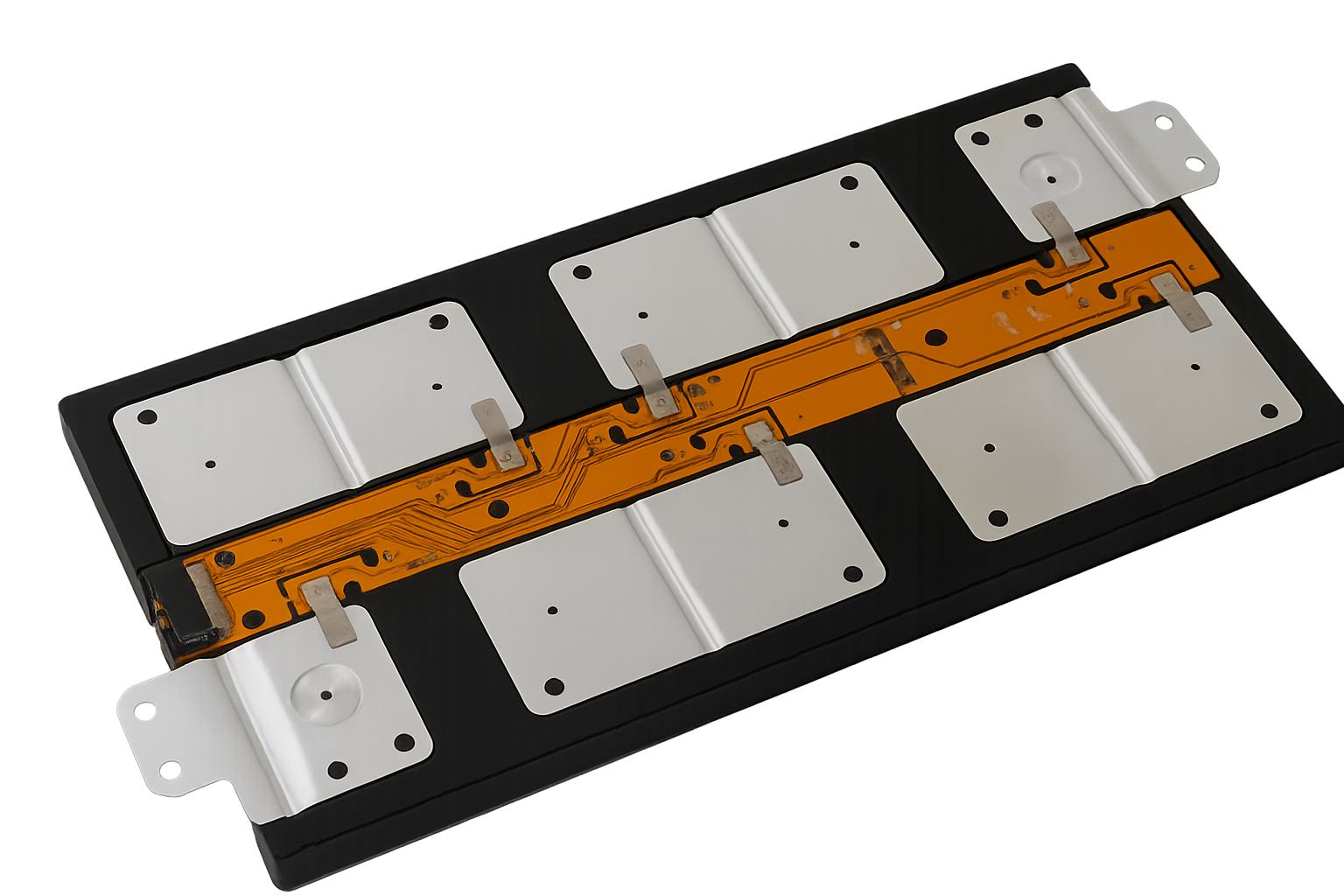
The CCS achieves precise temperature monitoring by integrating Negative Temperature Coefficient (NTC) thermistors onto the Flexible Printed Circuit Board (FPC).

  • These NTC sensors are strategically positioned close to the cell connection points (like the nickel tabs/busbars).

  • As the cell temperature changes, the resistance value of the NTC thermistor changes accordingly.

  • The BMS monitors these resistance changes to determine if the temperature of each cell is within a safe operating range.

A typical CCS primarily consists of the following components:

  • Busbars: These are conductive bars, usually made of copper or aluminum, used to connect the positive and negative terminals of the cells for high-current transmission.

  • Flexible Printed Circuit Board (FPC/Flex PCB): This board carries the low-voltage signal lines and integrated sensors (like NTC thermistors) that transmit data to the BMS.

  • Insulation and Support Structure: This includes materials like PET insulating film, plastic frames, or blister trays, which provide mechanical support and necessary electrical isolation.

The CCS employs highly automated and robust connection technologies to ensure long-term stability:

  • Laser Welding: This is the most common and reliable method used to precisely weld the busbars onto the cell terminals, creating a robust electrical joint.

  • Thermal Lamination/Riveting: These processes are used to tightly and securely integrate the FPC, its components, the busbars, and the support structure.

  • Modular Design: By reducing reliance on manual handling, the CCS improves the repeatability and quality consistency of the connections, enabling it to better withstand the vibration, shock, and thermal expansion encountered during electric vehicle operation.