
Ensuring the reliability of circuit breakers is paramount in any electrical system, especially when dealing with systems critical to the safety and performance of industrial, commercial, or residential infrastructure. Injection tests are essential tools used to verify the functionality of circuit breakers, specifically their overcurrent protection mechanisms. There are two primary forms of injection testing: Primary Injection Testing and Secondary Injection Testing. These tests are designed to assess different aspects of circuit breakers and their trip units. This article will explore both testing methods, the differences and similarities between them, their importance, and how they ensure system reliability.
1. Injection Testing for Circuit Breakers
Injection testing for circuit breakers is a process used to test the protection mechanisms of a breaker, ensuring that it will trip when required in case of an overcurrent condition. The primary goal of injection testing is to verify that the circuit breaker trips within the specified time limits under various fault conditions, including long-time, short-time, instantaneous, and ground fault events. Both Primary and Secondary Injection Tests provide valuable insights into the circuit breaker’s ability to operate efficiently.
Why Do We Need Injection Tests?
Circuit breakers are integral components in electrical distribution systems, designed to protect wiring, transformers, and other electrical devices from damage due to overcurrent. Injection tests help verify that the breaker trips correctly, ensuring personal and device protection. If a breaker fails to trip in a timely manner, it can lead to dangerous electrical faults, equipment damage, and even catastrophic failure of the electrical system.
2. Primary Injection Testing
What is Primary Injection Testing?
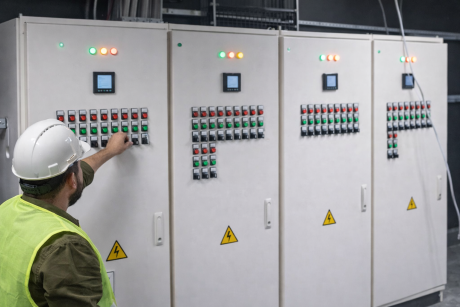
Primary injection testing is used for a complete functional test of the entire protection system. In this test, a high current is injected directly into the primary side of the circuit breaker’s current transformers (CTs). This allows for the testing of the breaker’s trip unit, its wiring, and all associated components. This test is particularly effective for solid-state and electromagnetic trip units, and it can also verify the correct installation of circuit breakers in the system.
Primary Injection Test Modes
There are different test modes under primary injection testing, each designed to evaluate specific protection functions of the circuit breaker:
Long-Time Delay and Pickup
The long-time delay function is designed to protect the system against overloads. During this test, the test current is set to three times the long-time pickup value. The time taken for the breaker to trip is recorded and plotted on a time-current curve. The results are then compared with the manufacturer’s specifications.
Short-Time Delay and Pickup
This function provides protection against short-circuit conditions, but with an intentional time delay to prevent tripping during transient faults. The test current is injected at 1.5 to 2.5 times the short-time pickup. The trip time is then recorded in milliseconds or cycles and compared to standard values.
Instantaneous Pickup
This mode checks the breaker’s immediate response to a fault condition without any delay. The test current is injected in pulses, starting at 70% of the expected pickup value. The breaker’s response is recorded, and the trip time is compared to the expected results.
Ground-Fault Delay and Pickup
This feature protects against ground faults. A test current is injected at 1.5 to 2.5 times the ground fault pickup value. The results are compared with the standards outlined by the National Electrical Code (NEC) for service entrance protection.
Limitations of Primary Injection Testing
While primary injection testing is highly effective in ensuring that the circuit breaker works as expected, it comes with limitations. The primary disadvantage is that it requires testing one phase at a time. Additionally, it cannot detect polarity or wiring issues in the circuit. The testing equipment is typically large and expensive, making it a costlier option for routine maintenance.
3. Secondary Injection Testing
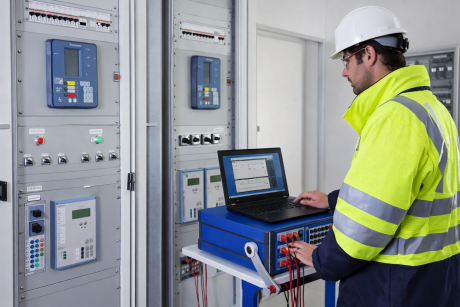
What is Secondary Injection Testing?
Secondary injection testing is used primarily for testing the trip unit of the circuit breaker without injecting high current into the primary side. Instead, a low-voltage, controlled current is injected into the secondary side of the trip unit, allowing for the verification of the trip logic, polarities, and system wiring. Secondary injection tests are commonly applied to solid-state trip units, as they are often used in modern circuit breakers.
Secondary Injection Test Modes
No Trip Mode
This mode is used to test the protective functions of an electronic trip device without causing the circuit breaker to trip. It allows for the assessment of the unit’s logic under load conditions without interrupting the power supply.
Trip Mode
In this mode, the circuit breaker is intentionally tripped by the test signal to verify the functionality of the trip unit. This test is typically performed when the breaker is disconnected from the electrical system.
Self-Test Mode
Modern solid-state trip units often feature self-test functions, which perform diagnostic checks without needing an external test set. This mode is ideal for troubleshooting suspected breaker malfunctions and is easier to perform than manual tests.
Limitations of Secondary Injection Testing
The major limitation of secondary injection testing is that it only tests the trip unit logic and does not assess the current-carrying components or wiring of the circuit breaker. It is more limited in scope compared to primary injection testing, but it provides a valuable tool for diagnosing issues with the trip unit itself.
4. Primary vs Secondary Injection Tests: Differences and Similarities
Differences
| Aspect | Primary Injection Test | Secondary Injection Test |
| Application | Used for complete system testing, including the breaker, wiring, CTs. | Used for testing solid-state trip units only. |
| Scope | Tests the entire protection chain (including CTs, trip circuits, wiring). | Tests only the logic and wiring of the trip unit. |
| Test Equipment | Requires larger and more expensive test sets. | Smaller, less expensive test sets. |
| Test Limitations | Cannot detect polarity or wiring issues without separate tests. | Cannot verify the entire current-carrying system. |
| Best For | Comprehensive verification of the entire system. | Quick checks of trip unit functionality. |
Similarities
Both tests are aimed at verifying the functionality of the circuit breaker’s trip unit.
Both tests are essential during maintenance and commissioning phases to ensure reliable performance.
5. Why Do We Need Primary & Secondary Injection Tests?
For Personal Protection
The most important reason to perform both primary and secondary injection tests is for personal protection. If the circuit breaker does not trip within the specified time under fault conditions, it can result in arc flashes or electrical fires, putting lives at risk.
For Device Protection
If the circuit breaker fails to trip as required, the downstream equipment can suffer extensive damage. Regular testing ensures that circuit breakers perform optimally and protect both the device and the electrical system.
For System Reliability
Injection testing helps maintain the integrity of the electrical system. Ensuring that the breaker trips in a timely manner prevents system failures and improves overall reliability.
6. Conclusion
Injection testing, whether primary or secondary, plays a vital role in ensuring the proper functioning of circuit breakers and their trip units. While primary injection tests provide a comprehensive assessment of the entire protection system, secondary injection tests focus on verifying the logic of the trip unit itself. Both tests have their unique advantages and limitations, and understanding when to use each is crucial for maintaining electrical system safety and reliability. By performing these tests regularly, you can avoid potential system failures, protect your equipment, and ensure a safe working environment.
FAQs
- Can I use secondary injection testing for all types of circuit breakers?
Secondary injection testing is suitable for solid-state trip units but cannot be used for molded case circuit breakers or older breakers. - How often should I perform injection testing?
It is recommended to perform injection testing during regular maintenance cycles and after any modification to the circuit breaker or protection system. - What happens if a circuit breaker fails the injection test?
If a circuit breaker fails an injection test, it is likely that the trip unit or associated components are defective and should be replaced. - Can I perform primary injection testing without removing the circuit breaker?
Primary injection testing typically requires removing the circuit breaker from its position to allow for the injection of high current. - Are there any safety precautions I should take during injection testing?
Yes, always ensure that the breaker is properly isolated from the system before conducting primary injection testing to prevent accidental electrical hazards.