
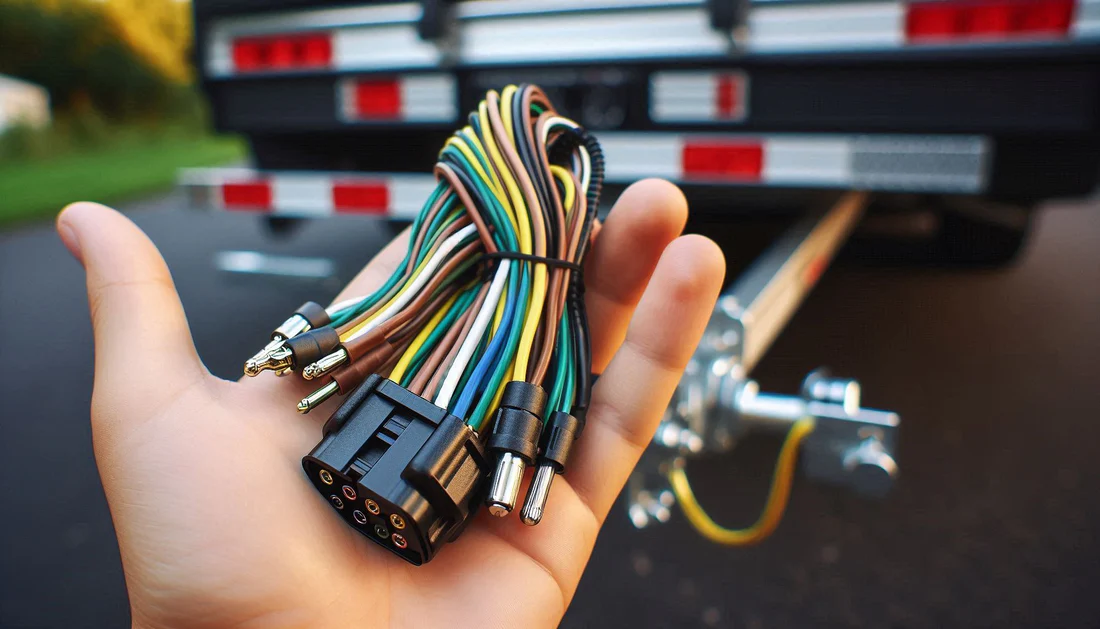
When working with automotive electrical systems, one of the most confusing aspects for beginners and even experienced DIY enthusiasts is identifying what each wire does. Just like AC power wiring in homes, car wiring harnesses follow a specific color-coding convention that helps technicians quickly identify each wire’s function.
However, automotive DC circuits differ significantly from AC household systems due to their single-phase low-voltage design, distinct grounding methods, and functional requirements.
In this guide, we’ll explore car wire color codes, focusing primarily on car stereo wiring, while also comparing them to AC electric wire color codes. Let’s dive in.
Car Stereo Wire Color Coding Standards
Car Stereo Wire Color Coding Standards
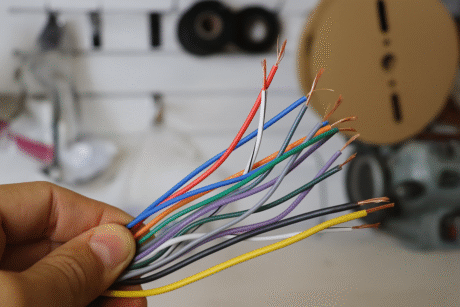
Most car owners eventually upgrade or replace their stereo system — an action that requires dealing with a colorful tangle of wires. Each of these colors has a defined purpose, ensuring the stereo receives power, grounds properly, and connects seamlessly with the car’s speakers.
Below are the most common car stereo wire color codes and what they mean.
Red Wire – Ignition or Accessory Power
The red wire provides 12V DC power to the stereo through the vehicle’s ignition switch.
It ensures that the stereo turns on only when the key is in the “ACC” or “ON” position.
This prevents constant battery drain — if connected directly to the battery, the stereo would remain powered even when the car is off, which could discharge the battery overnight.
Black Wire – Ground Connection
Unlike AC circuits, DC automotive systems use the car chassis as the common ground. The black wire acts as the negative or neutral connection and is vital for completing the electrical circuit.
Proper grounding ensures smooth current flow and reduces unwanted electrical noise, static, or interference in audio signals. A loose or poorly grounded black wire can cause flickering lights, erratic stereo behavior, or audible buzzing.
Orange Wire – Illumination or Dimmer Control
The orange wire connects to the dashboard light circuit. It allows the stereo’s display lighting to dim automatically when the vehicle lights are turned on, maintaining comfortable brightness during nighttime driving.
In some systems, the illumination wire may appear as orange with white stripes, depending on the manufacturer.
Yellow Wire – Constant Power / Memory Backup
The yellow wire provides a constant 12V supply directly from the car battery, independent of the ignition switch.
Its primary role is to preserve memory settings, such as radio presets, clock time, and equalizer adjustments, even when the vehicle is turned off.
In some advanced systems, it may also send power for certain logic or communication circuits.
Brown Wire – Sound Mute or Attenuation
The brown wire is a mute control line. It automatically silences or reduces audio output when specific conditions are met — for example, during a hands-free phone call, parking assist alerts, or navigation prompts.
If your stereo lacks a built-in mute function, this wire can be connected manually to a control unit or relay to achieve the same purpose.
Blue Wire – Power Antenna or Amplifier Remote
The blue wire typically powers the motorized antenna or sends a remote-on signal to an external amplifier.
When the stereo is turned on, this wire outputs 12V to activate these devices.
It should share the same power source as the red, orange, and yellow wires. Incorrect connection can lead to poor antenna reception or amplifier failure.
Other Color-Coded Wires (Speaker and Auxiliary Functions)
Car stereos use a set of colored pairs to connect speakers and other accessories. These colors follow a pattern to indicate both positive and negative connections:
| Function | Positive Wire (+) | Negative Wire (–) |
| Front Left Speaker | Blue | Brown |
| Front Right Speaker | Aqua | Beige |
| Rear Left Speaker | Green | Purple |
| Rear Right Speaker | Gray | White |
Other auxiliary colors include:
Light Green – Parking brake detection
Pink – Vehicle speed signal (VSS)
White Stripe – Dimming control
Blue with Stripes – Amplifier control or remote trigger
Violet – Reverse gear trigger
Understanding these helps prevent miswiring that could damage speakers or cause poor sound output.
ISO Wire Color Standards for Stereo Connections
While some vehicles follow proprietary color schemes, ISO 10487 establishes a standardized system for connecting automotive audio equipment.
Here’s a summary of common ISO color conventions:
| Wire Color | Function |
| Red | 12V DC Power (Accessory/Ignition) |
| Black | Ground |
| Violet or Yellow | Memory/Clock Power (Constant 12V) |
| Green or Brown | Ignition-Switched Power |
| Blue or Purple | Front Left Speaker (+) |
| Gray or Brown | Front Left Speaker (–) |
| Aqua or Pink | Front Right Speaker (+) |
| Violet or White | Front Right Speaker (–) |
| Purple or Gray | Rear Left Speaker (+) |
| Black or White | Rear Left Speaker (–) |
| Yellow or Green | Rear Right Speaker (+) |
| Red or Violet | Rear Right Speaker (–) |
Following ISO standards ensures compatibility and avoids the need to memorize multiple brand-specific wiring patterns.
AC Electric Wire Color Codes (For Comparison)
Unlike automotive systems, AC household wiring deals with alternating current, often involving multi-phase circuits.
Each wire color serves a specific safety and functional role, which varies by country. Below is the U.S. NEC (National Electrical Code) system, updated in 2020.
Black Wires – Hot (Live)
Carry current from the electrical panel to outlets, lights, or switches.
Red Wires – Secondary Hot
Used in 240V circuits and interconnections between switches.
White Wires with Red or Black Tape
Marking indicates they are re-purposed as “hot” conductors.
Bare Copper Wires – Ground
Provide a safe discharge path during faults or short circuits.
Green or Green with Yellow Stripes – Ground
Alternative grounding wires that ensure circuit protection.
Gray or White Wires – Neutral
Return current back to the electrical panel; they are not at zero voltage potential, so they still require caution.
Blue and Yellow Wires – Multi-Phase or Switch Legs
Used in three-phase power or control circuits, such as fans and lighting systems.
Benefits of Using Wire Color Coding Standards
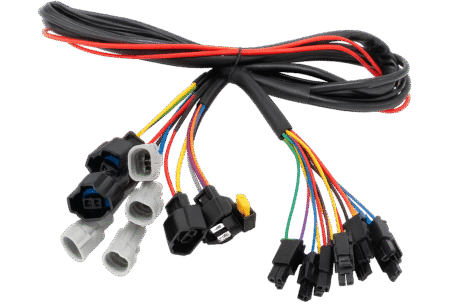
Benefits of Using Wire Color Coding Standards
1. Easy Identification
Color-coded insulation allows quick visual identification of wire purpose, saving time during installation, testing, or troubleshooting.
2. Minimizes Wiring and Repair Errors
Properly coded wires reduce misconnection risks, preventing electrical malfunctions, blown fuses, or component damage.
3. Promotes Standardization
Color conventions help technicians work across different vehicles and manufacturers without relearning wiring logic.
4. Enhances Safety
Following standardized color codes minimizes fire hazards, electrical shorts, and accidental shocks.
Wrap Up
Understanding auto wire color codes is essential for anyone working on a car’s electrical system, especially the stereo harness.
While the color meanings may vary slightly between models or brands, most follow the same logic defined by ISO and automotive standards.
Remember — car wiring is DC, while household wiring is AC, so never apply the same color interpretation between the two systems.
If you encounter unusual or mismatched wire colors in your car, consult the vehicle’s wiring diagram or contact a professional technician for guidance.
FAQs
1. Are car wire color codes the same for all vehicles?
Not always. While most manufacturers follow similar conventions, slight differences exist depending on region, model year, and brand. Always confirm with the car’s service manual or wiring diagram.
2. What happens if I connect car stereo wires incorrectly?
Misconnecting wires can cause short circuits, blown fuses, or permanent damage to your stereo and speakers. In some cases, incorrect wiring can drain the battery or disable electrical accessories.
3. How can I identify a wire’s function if the color doesn’t match the standard?
Use a digital multimeter to test for voltage, continuity, and ground. This helps confirm if a wire is constant power, switched power, or ground even when color codes are nonstandard.
4. Can I use household electrical wires in my car?
No. Automotive wires are designed for low-voltage DC and high-temperature environments. Household wires are stiffer and not rated for automotive vibration, oil, or heat resistance.
5. What gauge wire is best for car stereo wiring?
For head units, 18 AWG is common. Amplifiers and subwoofers require 12–14 AWG depending on current load. Always refer to your stereo’s installation manual for exact requirements.
6. How do I connect speaker wires if I can’t tell positive from negative?
Generally, the wire with stripes or markings indicates the negative (–) connection. However, you can test polarity using a 1.5V battery and observing speaker cone movement — outward motion means correct polarity.
7. What should I do if my car uses non-ISO wire colors?
If your car or aftermarket stereo doesn’t follow ISO colors, you can label wires manually using colored heat shrink tubing or wire tags to maintain clarity for future maintenance.