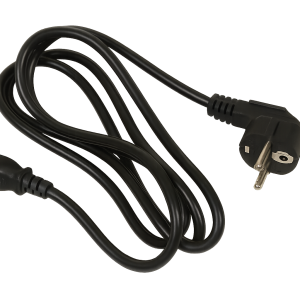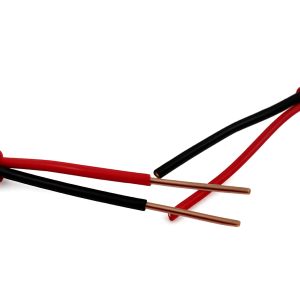

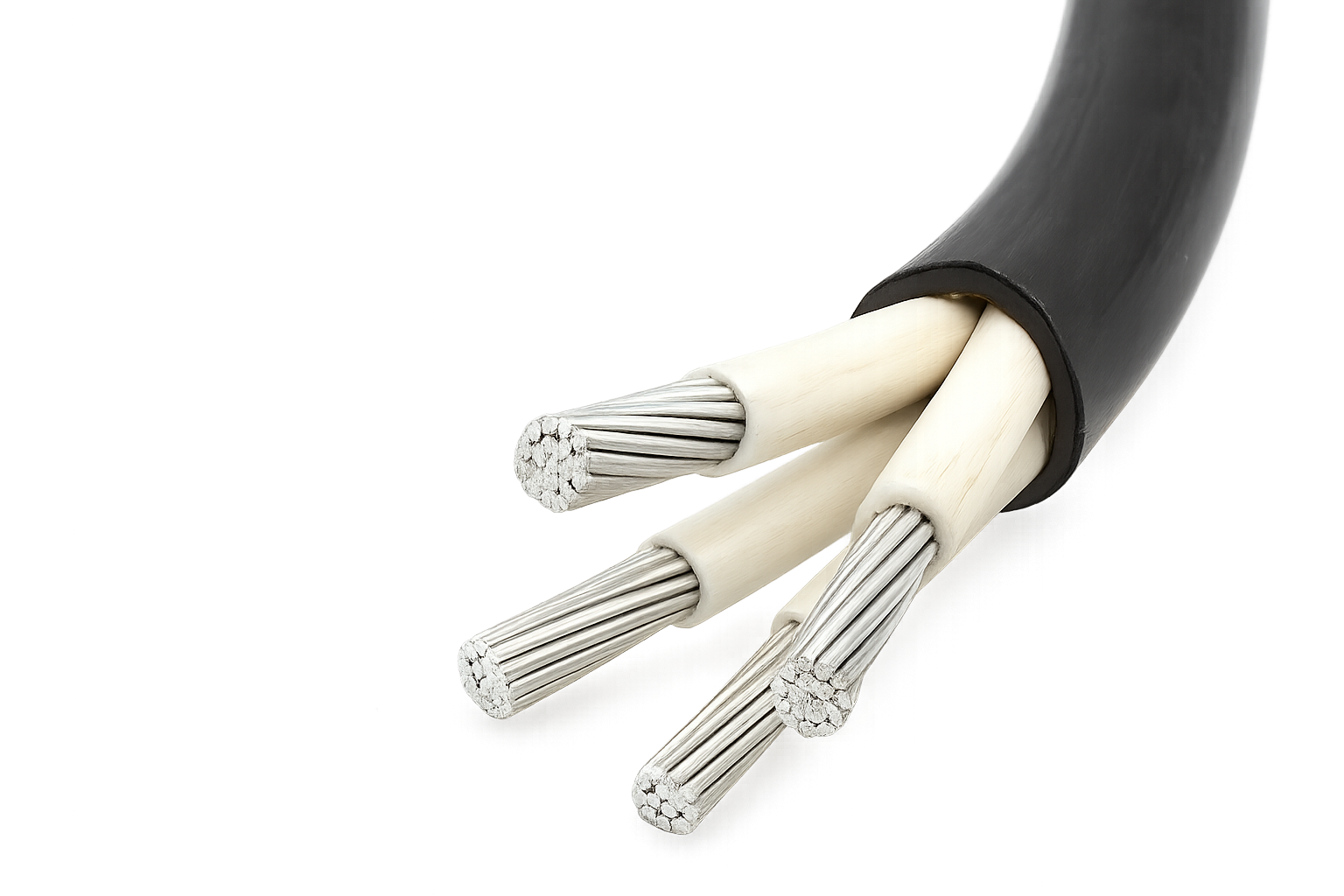
While many existing installations, particularly in residential settings, rely on copper conductors due to their superior conductivity, the global market has driven a critical reassessment of materials. With copper prices soaring—experiencing a historic increase of approximately 91% last year—the necessity for more affordable, viable conductor materials has become paramount for cost-conscious constructors and large-scale industrial projects. This urgency has renewed attention on aluminum wire and its performance metrics, particularly the aluminum cable ampacity chart, which is essential for proper electrical system design.
Application of Aluminum Conductors
Aluminum conductors offer a high degree of versatility and cost-efficiency across various segments of the electrical industry:
Utilities: Aluminum has a long, proven history in utility applications, where its light weight and cost structure are indispensable for long-distance power lines. Today, it remains a cornerstone for crucial performance capabilities in institutional and commercial power infrastructure.
Commercial Buildings: Massive commercial facilities are increasingly adopting aluminum assemblies due to the sheer volume of cabling required. Aluminum cables are now a staple in:
Tall buildings and skyscrapers.
High-capacity stadiums and arenas.
Large manufacturing industries.
Wastewater-treatment facilities.
Large Conductors: Contractors widely prefer aluminum for service entrances and heavy-duty power distribution conductors where large conductor sizes (like those measured in kcmil) are necessary.
The Advantages of Using Aluminum in Your Facilities
The adoption of modern aluminum conductors offers distinct advantages over copper, especially when scaled for large projects.
Cost Savings
The most compelling advantage is the cost-savings aspect. Aluminum is significantly cheaper than copper on a volume basis. Utilizing aluminum conductors extensively can lead to substantial reductions in material costs, with potential savings estimated to be as high as $80\%$ in some large-scale implementations. While aluminum prices can fluctuate, they consistently remain much lower than copper, insulating projects from the sharp price volatility seen in copper markets.
Technical Design Advances
The industry has addressed past drawbacks associated with older aluminum wiring (e.g., poor connection stability) through metallurgical improvements.
New Alloys: The emergence of modern alloys (specifically the AA-8000 series) has drastically improved the physical properties of conductors, offering better conductivity, enhanced durability, and superior creep resistance compared to their predecessors.
Lightweight: Aluminum conductors are approximately 50% less heavy than copper. This lightweight trait makes them practical and accessible for complex installation methods, significantly reducing strain and labor costs during:
Pulling long cable runs.
Bending and routing large-gauge cables.
Training (managing) cables in confined spaces.
NEC Approved
Aluminum conductors are fully approved for use in electrical installations across the United States. This approval is formalized by the National Electrical Code (NEC), specifically referenced in Section 310.14. The NEC mandates that acceptable aluminum conductors must be manufactured using an AA-8000 series electrical-grade aluminum alloy, guaranteeing minimum standards for safety and performance.
Aluminum Application Consideration
When integrating aluminum, conductivity remains the primary technical consideration. Contractors must recognize the thermal limitations involved.
Overheating Risk: While you can funnel substantial current through any conductor, exceeding the wire’s rated ampacity causes the conductor to overheat.
The insulation is not designed to sustain conduction levels above the recommended rate, posing a serious risk of fire and insulation degradation.
Sizing Requirement: Since aluminum has a lower conductivity ratio than copper, an aluminum wire requires a larger cross-sectional area (a thicker wire) to safely transmit the same amount of power as a copper wire without overheating. This need for upsizing is a necessary trade-off for the cost and weight benefits.
Aluminum conductors are commonly installed in:
Between transformers and switchboards located in service entrances.
In switchboards linked to motor control centers for feeder applications.
From panel boards to feeders, particularly where space considerations allow for the required increase in wire size.
Aluminum Wire Ampacity Chart
The aluminum wire ampacity chart is the authoritative reference for determining the maximum safe current an aluminum conductor can carry under defined conditions. Ampacity is fundamentally dependent on the cable’s maximum operating temperature.
The charts provided below list ampacity ratings across three standard temperature ranges: 140℉(60℃)167℉(75℃)and 194℉(90℃)
NEC Rule and Maximum Permitted Amps
The NEC dictates that the circuit’s load must not exceed a percentage of the wire’s capacity to ensure a thermal safety margin.
The 80% NEC Rule: For continuous loads, the maximum permitted amps on a conductor are calculated by taking 80% of the conductor’s ampacity rating at 75℃.
Example: If a 6 AWG aluminum wire has a rated ampacity of 50 A at (75℃), the maximum permitted load is 50 A X 0.80 = 40 A.
Chart 1: American Wire Gauge (AWG) Aluminum Wires Ampacity Chart
| Aluminum AWG Wire Size | Ampacity At 140∘F (60∘C) | Ampacity At 167∘F (75∘C) | Ampacity At 194∘F (90∘C) | Max. Permitted Amps (75∘C) |
| 0000 (4/0) AWG | 150 Amps | 180 Amps | 205 Amps | 144 Amps |
| 000 (3/0) AWG | 130 Amps | 155 Amps | 175 Amps | 124 Amps |
| 00 (2/0) AWG | 115 Amps | 135 Amps | 150 Amps | 108 Amps |
| 0 (1/0) AWG | 100 Amps | 120 Amps | 135 Amps | 96 Amps |
| 1 AWG | 85 Amps | 100 Amps | 115 Amps | 80 Amps |
| 2 AWG | 75 Amps | 90 Amps | 100 Amps | 72 Amps |
| 3 AWG | 65 Amps | 75 Amps | 85 Amps | 60 Amps |
| 4 AWG | 55 Amps | 65 Amps | 75 Amps | 52 Amps |
| 6 AWG | 40 Amps | 50 Amps | 60 Amps | 40 Amps |
| 8 AWG | 30 Amps | 40 Amps | 45 Amps | 32 Amps |
| 10 AWG | 25 Amps | 30 Amps | 35 Amps | 24 Amps |
| 12 AWG | 20 Amps | 20 Amps | 25 Amps | 16 Amps |
These smaller wires are typically used in sub-circuits and smaller feeders.
Chart 2: Kcmil (MCM) Aluminum Wires Ampacity Chart
| Aluminum kcmil or MCM Wire Size | Ampacity At 140∘F (60∘C) | Ampacity At 167∘F (75∘C) | Ampacity At 194∘F (90∘C) | Max. Permitted Amps (75∘C) |
| 250 kcmil | 170 Amps | 205 Amps | 230 Amps | 164 Amps |
| 300 kcmil | 190 Amps | 230 Amps | 255 Amps | 184 Amps |
| 350 kcmil | 210 Amps | 250 Amps | 280 Amps | 200 Amps |
| 400 kcmil | 225 Amps | 270 Amps | 305 Amps | 216 Amps |
| 500 kcmil | 260 Amps | 310 Amps | 350 Amps | 248 Amps |
| 600 kcmil | 285 Amps | 340 Amps | 385 Amps | 272 Amps |
| 700 kcmil | 310 Amps | 375 Amps | 420 Amps | 300 Amps |
| 750 kcmil | 320 Amps | 385 Amps | 435 Amps | 308 Amps |
| 800 kcmil | 330 Amps | 395 Amps | 450 Amps | 316 Amps |
| 900 kcmil | 355 Amps | 425 Amps | 480 Amps | 340 Amps |
| 1000 kcmil | 375 Amps | 445 Amps | 500 Amps | 356 Amps |
| 1250 kcmil | 405 Amps | 485 Amps | 545 Amps | 388 Amps |
| 1500 kcmil | 435 Amps | 520 Amps | 585 Amps | 416 Amps |
| 1750 kcmil | 455 Amps | 545 Amps | 615 Amps | 436 Amps |
| 2000 kcmil | 470 Amps | 560 Amps | 630 Amps | 504 Amps |
These thicker conductors (MCM/kcmil) are typically used for major service entrances and industrial busway connections.
Why Use Copper Rather Than Aluminum as the Conductor in Power Cables?
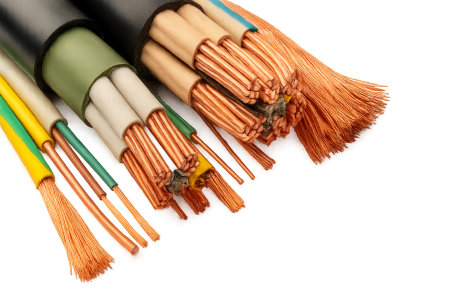
Despite the economic advantages of aluminum, copper retains several inherent technical superiorities that make it the preferred choice for certain demanding applications, particularly where long-term connection integrity is paramount.
Thermal Expansion: Copper has a significantly lower coefficient of thermal expansion. This characteristic is crucial because it helps to substantially reduce the risk of mechanical stress and destructive forces at bolted or jointed sections during thermal cycling (heating and cooling).
Corrosion and Environment: Copper offers superior corrosion resistance. It is resistant to most organic chemicals and can function indefinitely in harsh industrial and moist environments. In contrast, aluminum is known to react with water or moisture, producing hydrogen or nitrogen gas—a process that can be dangerous in certain confined electrical settings and may compromise cable integrity.
Creep Resistance: Copper exhibits excellent resilience against creep (the slow deformation of a material under mechanical stress, even below its yield strength). This resistance is essential for maintaining consistent, long-term contact pressure at terminations and avoiding the “relaxation” of contact points, a primary cause of failures in older aluminum systems.
Solderability: Copper is one of the easiest engineering metals to solder. This feature, combined with its high conductivity, makes it the ideal conductor for applications requiring highly reliable, permanent, and intricate joint integrity.
Conclusion
The conductor material—copper or aluminum—is a fundamental variable that determines a wire’s amps rating and overall performance profile.
For small-scale residential or light commercial projects, the traditional use of copper remains affordable and technically superior in terms of footprint and termination stability. However, for large-scale undertakings requiring miles of cabling, aluminum will remain the best strategic choice due to its overwhelmingly superior cost-to-weight ratio.
The lower inherent ampacity of aluminum is a design constraint that must be remedied by increasing the size of the wires (e.g., using a thicker gauge/kcmil size). This trade-off is often negated by the fact that aluminum is much lighter and considerably easier to pull and install, further reducing total project costs.
For expert guidance and the highest quality custom aluminum cable solutions tailored to your specific project needs, contact Wiringo today.
FAQs
1. What is the AA-8000 series aluminum alloy?
The AA-8000 series is the modern electrical-grade aluminum alloy mandated by the NEC for wiring applications. It contains additives like iron, copper, and silicon, which significantly improve the metal’s creep resistance and ductility, mitigating the historical performance issues associated with older, pure aluminum wiring.
2. How do I compensate for the lower conductivity of aluminum?
You must compensate by upsizing the conductor. To carry the same current as a copper wire, an aluminum conductor must typically be sized two AWG sizes larger (e.g., to replace 10 AWG copper, you would use 8 AWG aluminum) or selected for the equivalent ampacity rating from the 75℃ column in the charts above.
3. Can I connect an aluminum wire directly to a copper terminal?
No. You must use connectors rated for both metals (marked as AL/CU or CU/AL). Directly connecting copper and aluminum can cause galvanic corrosion due to the dissimilar metals, leading to high resistance, heat buildup, and eventual failure.
4. What does “kcmil” (or MCM) mean?
kcmil stands for “thousand circular mils,” and MCM stands for “thousand circular mills.” It is the standard unit of measurement for the cross-sectional area of large-gauge conductors, typically used for conductors 0000 (4/0)AWG and larger.
5. Why are the ampacity ratings higher for the 90℃ column than the 75℃ column?
The temperature rating 60℃, 75℃, 90℃ refers to the maximum allowable operating temperature of the wire’s insulation. Insulation designed to withstand higher temperatures (like 90℃) allows the wire to safely carry more current (higher ampacity) because it can dissipate more heat without breaking down.
6. Where is aluminum cable most commonly used in residential construction?
In modern residential construction, aluminum is primarily used for the main service entrance conductors (the large wires bringing power from the utility meter to the main panel) and sometimes for large circuits like subpanels or electric ranges/HVAC units due to its cost-efficiency and reduced weight.
7. What is “creep,” and why is it a problem for aluminum?
Creep is the slow, permanent deformation of a material over time under constant mechanical stress (like being tightened under a screw terminal). Aluminum is more susceptible to creep than copper. As the aluminum deforms, the connection loosens, increasing resistance and generating excessive heat—a common cause of failure in older aluminum wiring.
8. Does the environment affect the ampacity rating?
Yes. The charts are based on specific conditions. If cables are bundled together (more than three conductors in a single conduit) or installed in environments hotter than 30℃, the ampacity ratings must be derated (lowered) according to NEC tables to prevent dangerous overheating.