
What Is an Automotive Wiring Harness?
What Is an Automotive Wiring Harness
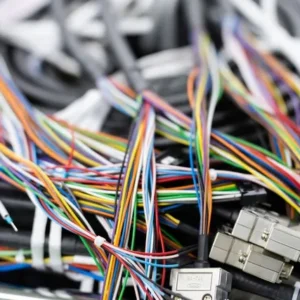
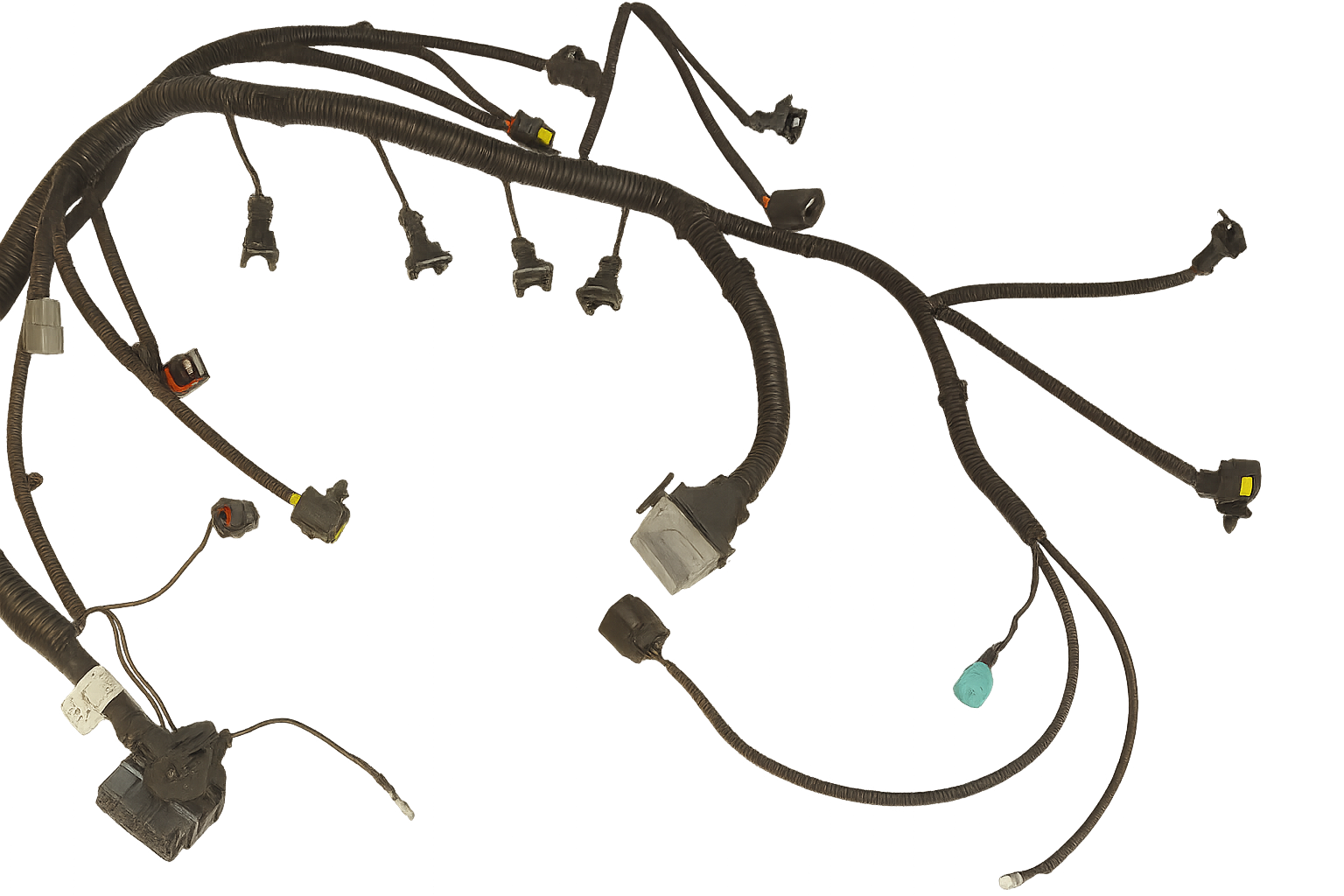
A wiring harness (also known as a cable harness or wire assembly) is an organized system of electrical cables, terminals, and connectors that transmit electrical power and signals throughout a vehicle.
Instead of having hundreds of loose wires running individually, the harness groups them into bundled assemblies wrapped in protective sleeves or tapes. This organized structure makes the electrical system more reliable, compact, and resistant to wear or vibration.
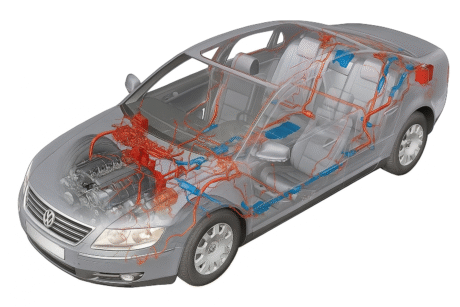
In modern automobiles, wiring harnesses are vital for almost every function — from starting the engine and illuminating the headlights to controlling airbags, sensors, infotainment systems, and safety features like ABS brakes and traction control.
Without them, the flow of electricity between a vehicle’s control units and components would be chaotic and prone to failure.
Why Modern Cars Need Wiring Harnesses
Earlier vehicles relied mainly on mechanical linkages — they could operate without sophisticated electrical systems. However, today’s cars feature advanced electronics that require a stable and secure power distribution network.
A typical passenger car may contain over 1,500 individual wires with a total length exceeding 1.5 kilometers (about 1 mile). A wiring harness ensures that all these wires are routed, insulated, and protected efficiently.
Some primary functions include:
Distributing power from the battery and alternator to all electrical and electronic subsystems.
Transmitting data and control signals between the ECU (Engine Control Unit), sensors, and actuators.
Providing safety and redundancy through fuses and relays.
Reducing installation time and maintenance complexity.
Automotive Wiring Harness Circuits
Each wiring harness consists of multiple circuits — groups of wires that perform specific electrical tasks.
A standard automotive harness includes 12 essential circuits, such as:
Dash lights – illuminate the instrument cluster.
Gauges – provide real-time vehicle metrics.
Hazard flasher – controls emergency blinkers.
Heating and air conditioning (HVAC) – manages climate systems.
Horn – delivers an audible warning signal.
Parking lights – improve nighttime visibility.
Radio – powers the infotainment system.
Stop lights – signal braking activity.
Tail lights – ensure visibility from behind.
Turn signals – indicate lane changes or turns.
Windshield wipers – clear rain or debris.
Ignition feed – supplies power to ignition and accessories.
Luxury or high-end cars can have 18 to 24 circuits or more. The additional circuits often include:
Electric fuel pump
Cooling fan
Power door locks
High-mount stop light
Memory power for the radio
Dome and glovebox lights
Trunk illumination
Under-hood service light
Clock and accessory outlets
Each circuit is carefully designed to handle a specific voltage, current, and signal type to ensure safe and efficient operation.
Major Components of a Car Wiring Harness
A wiring harness isn’t just a bundle of wires. It’s a complex, engineered electrical network. Its main components include:
1. Connectors
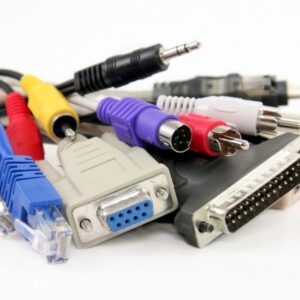
Connectors are the linking interfaces between wires and electrical components.
They can be male (plug) or female (socket) and are often made of copper or brass with plastic or rubber insulation.
Good connectors ensure secure engagement, corrosion resistance, and reliable conductivity even under vibration and temperature fluctuations.
2. Terminals
Terminals are the metallic end points where wires are crimped or soldered before being inserted into connectors.
They provide the physical and electrical interface between the wire and connector housing.
Types include:
Ring terminals (for grounding)
Blade terminals (for quick-disconnect connections)
Pin terminals (for multi-pin connectors)
3. Fuses
A fuse acts as a safety device that breaks the circuit if excessive current flows through it.
When the fuse element melts, it prevents overcurrent from damaging sensitive electronics. Each circuit has its dedicated fuse placed in a fuse block.
4. Fuse Block
The fuse block (or fuse box) houses multiple fuses and relays. It serves as a central distribution panel for circuit protection.
In most vehicles, fuse blocks are located under the dashboard or near the engine bay.
5. Relays
A relay is an electromagnetic switch that allows a low-current signal to control a high-current circuit.
For example, turning on headlights or the cooling fan may use a relay so that the dashboard switch doesn’t carry high current directly.
6. Wires and Cables
The wires themselves are the conduits for electrical current. They are usually made of stranded copper for flexibility and conductivity, with insulation materials like PVC, XLPE, or Teflon for durability.
Wire gauge depends on the circuit’s load:
1.5 mm² (15 AWG) for headlights and horns.
0.5 mm² (20 AWG) for small circuits like dome or door lights.
Color-coded insulation helps identify function and polarity, ensuring easier installation and maintenance.
7. Protective Sleeves and Tapes
Harness bundles are often wrapped in cloth tapes, corrugated tubes, or braided sleeves to protect against abrasion, moisture, and heat.
In the engine bay, heat-resistant sleeves made of glass fiber or aluminum coating are commonly used.
Key Benefits of Using an Automotive Wiring Harness
Installing an organized wiring harness provides several engineering and operational advantages:
Reduced Short Circuits: Organized wire routing prevents wires from crossing or rubbing, minimizing electrical short risks.
Simplified Installation: Instead of connecting hundreds of separate wires, one harness integrates them into a single assembly.
Improved Fuel Efficiency: Reliable electrical power ensures optimized engine and sensor performance, leading to lower fuel consumption.
Durability in Harsh Conditions: High-quality harnesses withstand extreme temperatures, vibration, and exposure to chemicals.
Easier Maintenance: Fault diagnosis becomes faster with labeled connectors and color-coded wires.
Enhanced Vehicle Safety: Proper insulation and fuse protection reduce fire and malfunction risks.
How to Select the Right Wiring Harness for Your Vehicle
When purchasing or replacing a car wiring harness, consider the following:
Check the Number of Circuits: Ensure it matches your vehicle’s specifications (12, 18, or 24 circuits).
Inspect Connection Types: Determine whether the harness requires crimping, soldering, or both for secure contact.
Choose Durable Materials: Go for copper wires and brass/copper connectors — avoid aluminum due to poor conductivity.
Look for Expandability: Modular harnesses can support additional accessories without complete replacement.
Confirm Compatibility: Verify connector pinouts and layout with your car’s make and model.
Maintenance Tips for Long Harness Life
Regularly inspect connectors for corrosion or looseness.
Avoid water exposure in the engine compartment.
Use dielectric grease to protect terminals.
Keep harnesses away from sharp edges and hot engine parts.
If you detect voltage drops, test individual circuits for resistance buildup.
Conclusion
A car’s wiring harness is the central nervous system of its electrical architecture. It ensures seamless communication and power delivery between all electronic modules.
Without it, modern vehicles would lose critical functionality, safety, and performance. By understanding its structure, circuits, and components, you can ensure better maintenance, safe operation, and long-term vehicle reliability.
FAQs
- How long does a car wiring harness last?
Typically, 10–15 years under normal conditions. Proper maintenance can extend its lifespan. - What causes wiring harness failure?
Common causes include heat exposure, corrosion, abrasion, rodent damage, or poor connections. - Can I repair a damaged harness myself?
Minor repairs like re-crimping connectors are possible, but major harness replacements should be done by professionals. - How do I identify wiring harness problems?
Symptoms include flickering lights, malfunctioning accessories, blown fuses, or burning smells. - Are all wiring harnesses universal?
No — harnesses are designed for specific vehicle makes, models, and configurations.